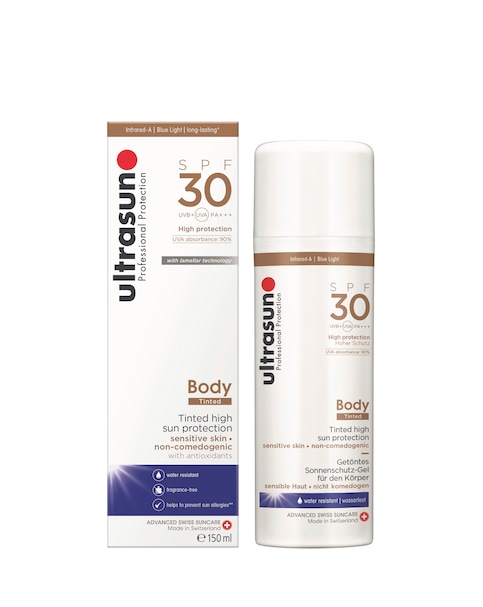
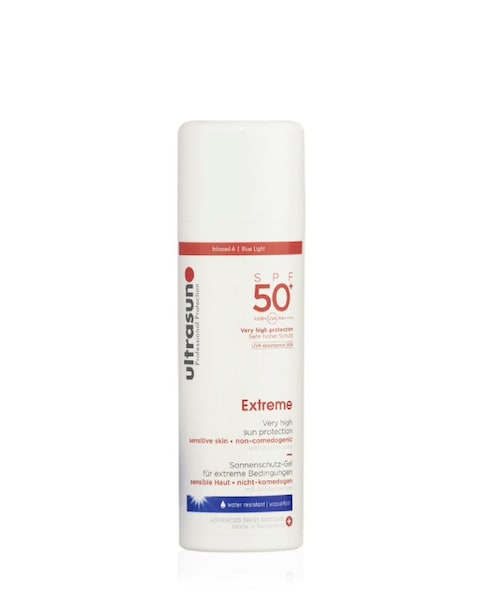
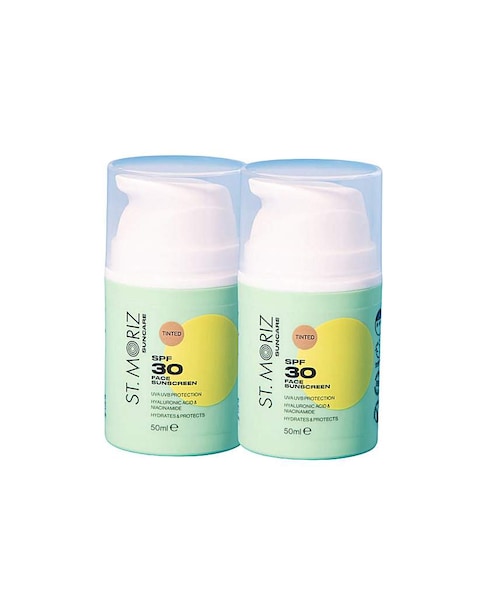
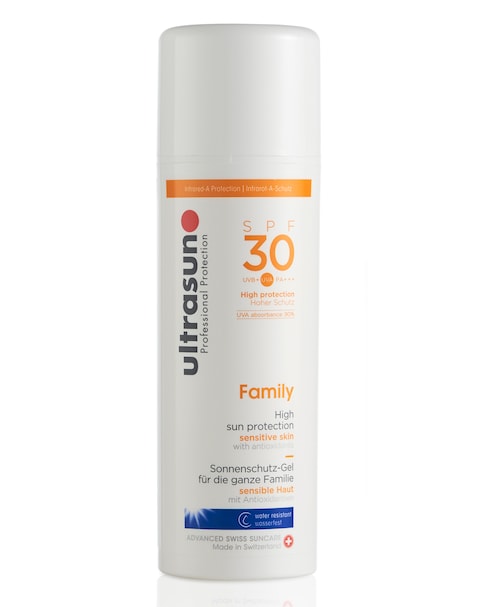
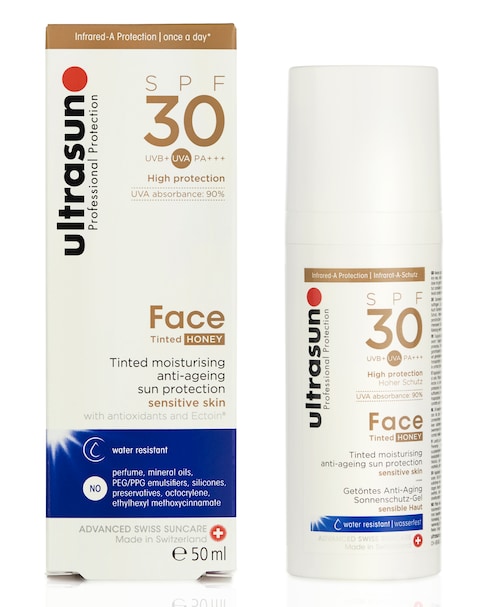
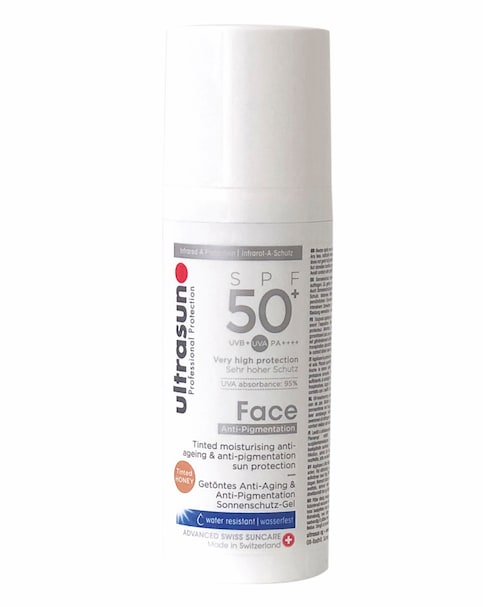
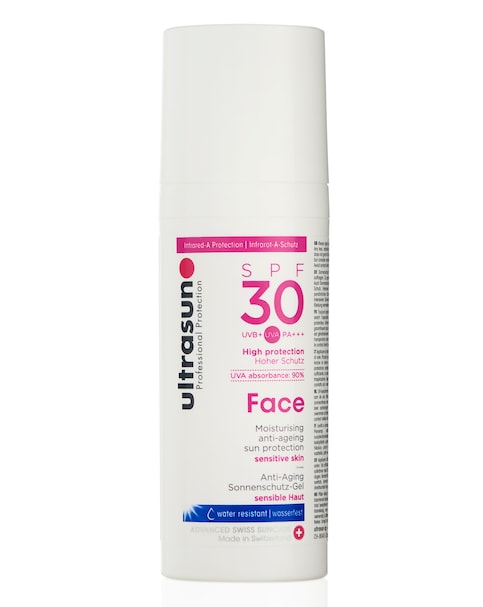
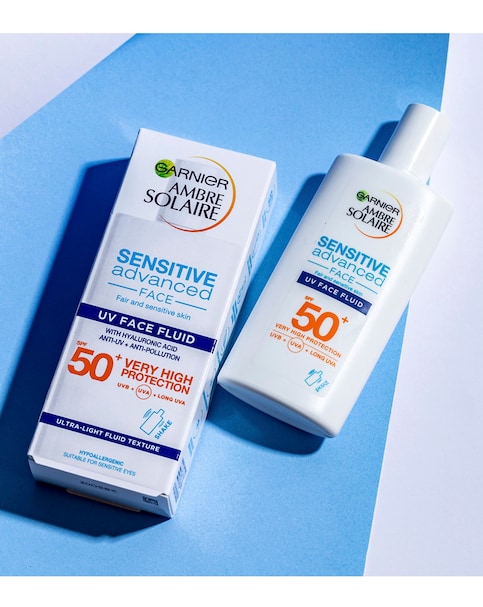
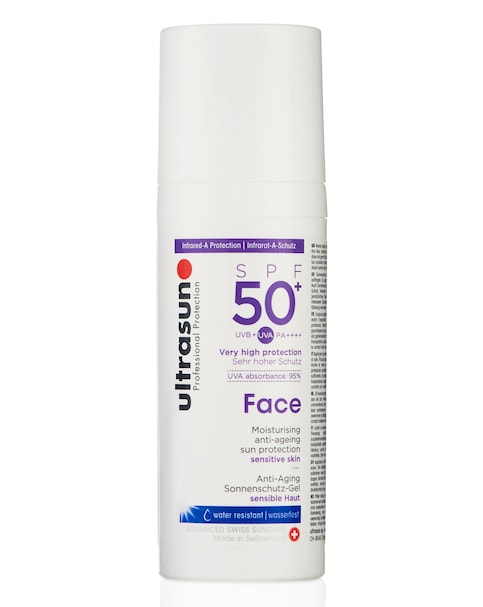
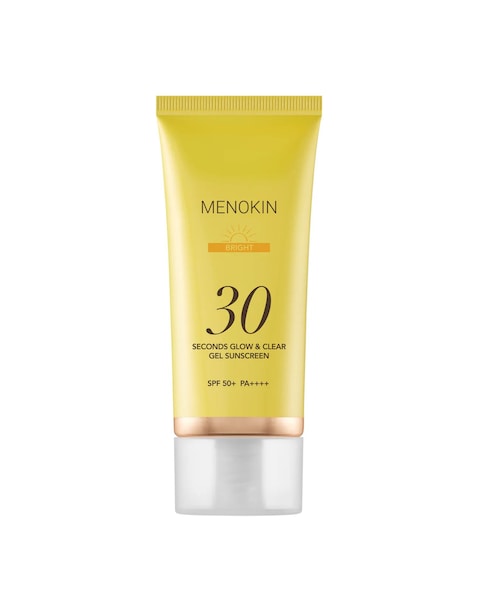
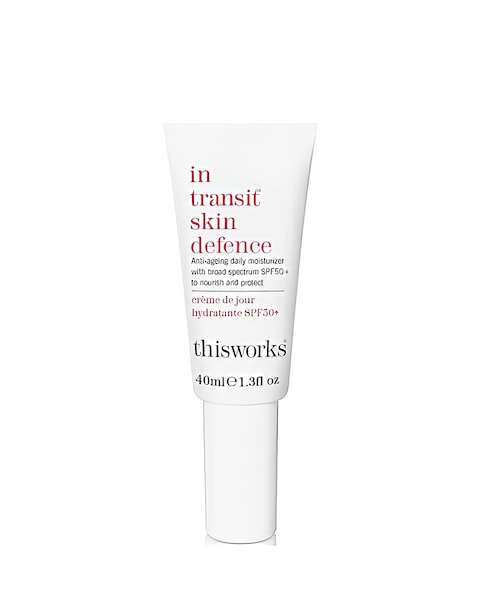
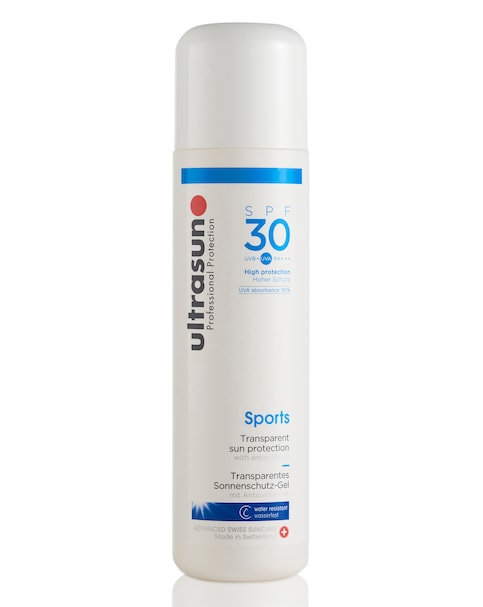
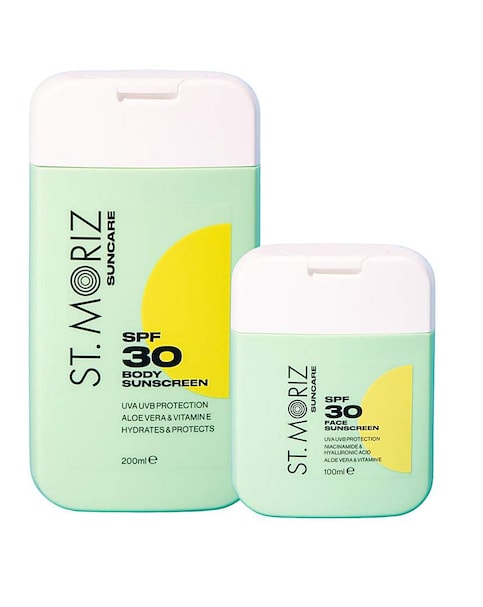
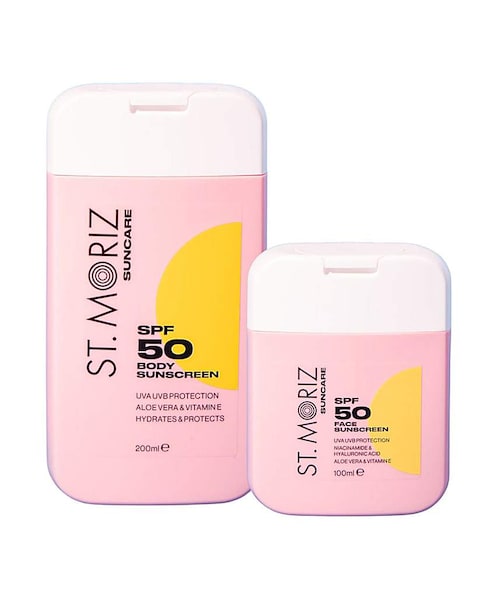
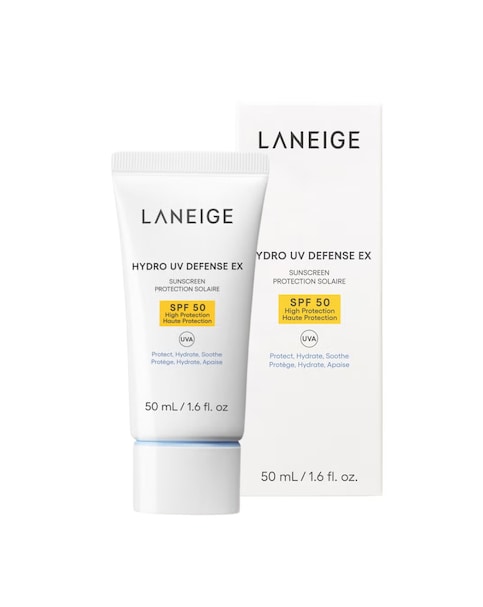
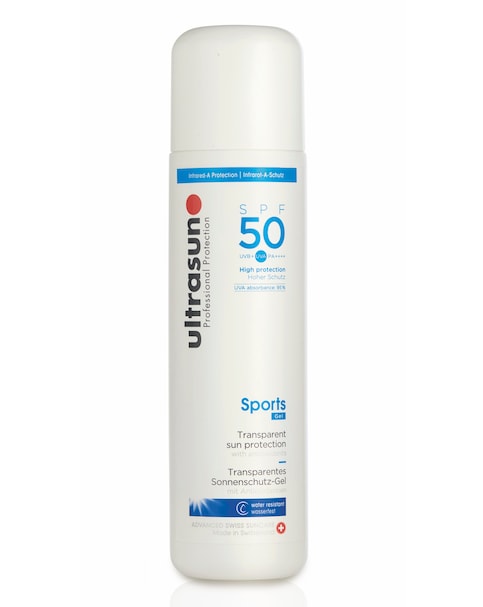
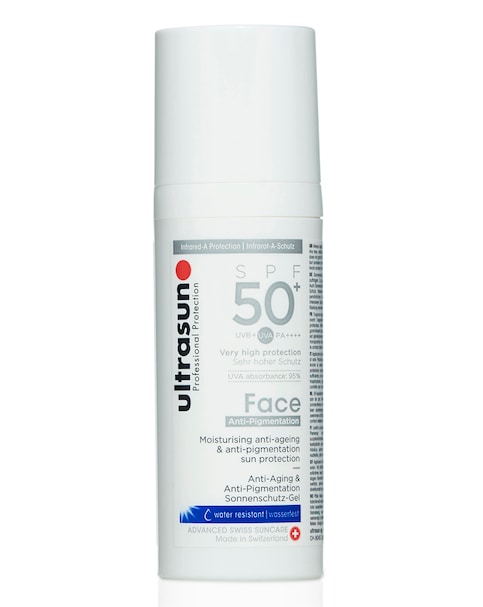
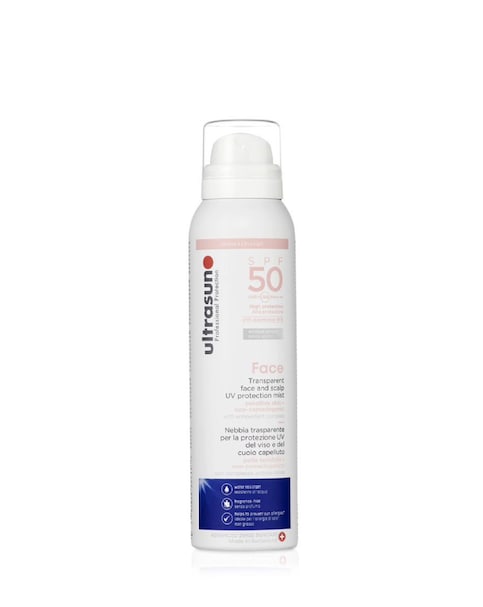
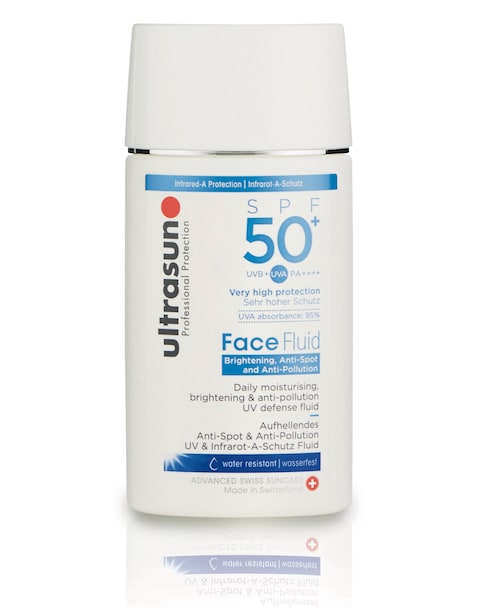
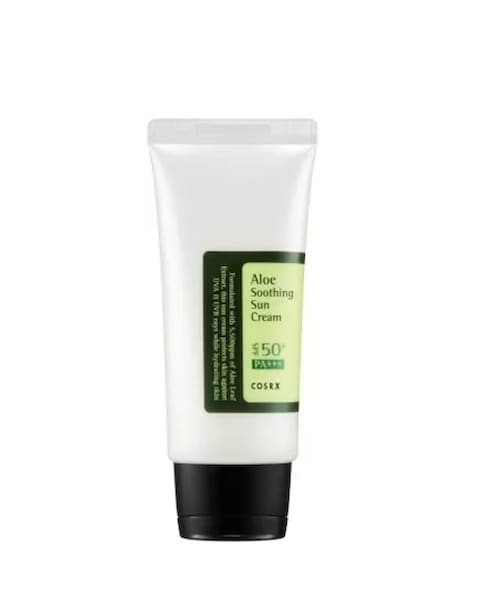
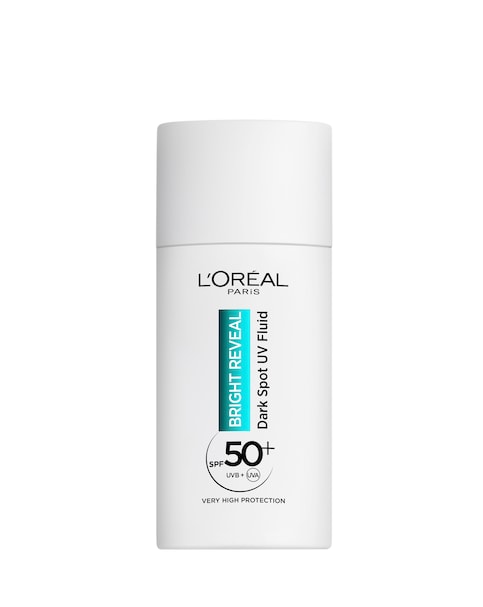
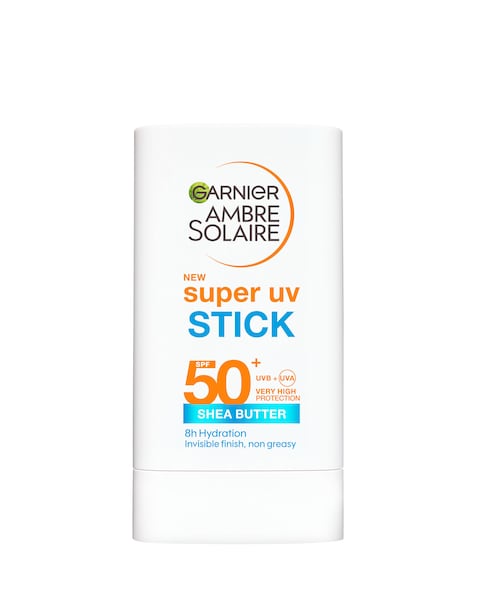
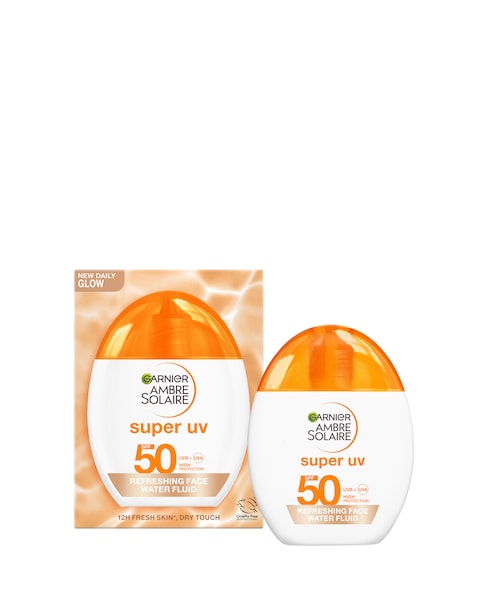
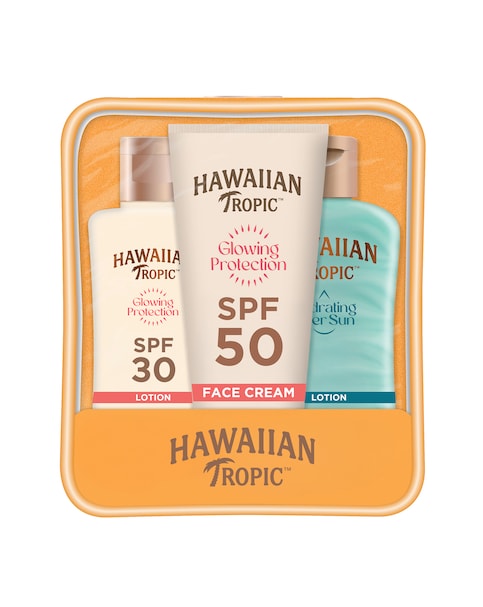
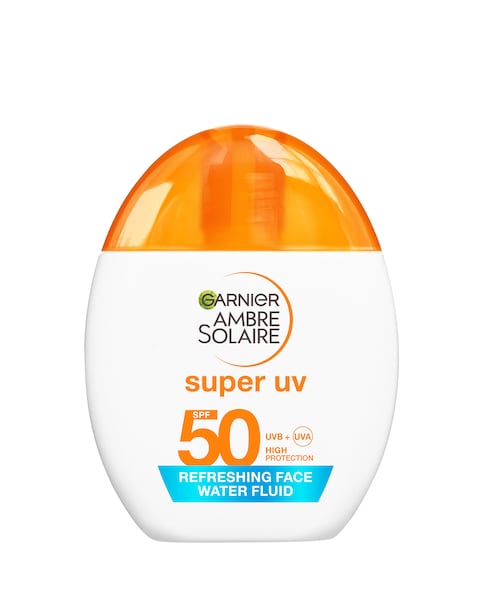
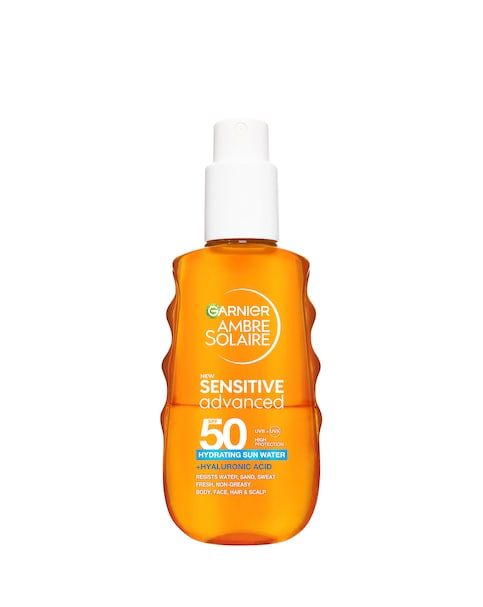
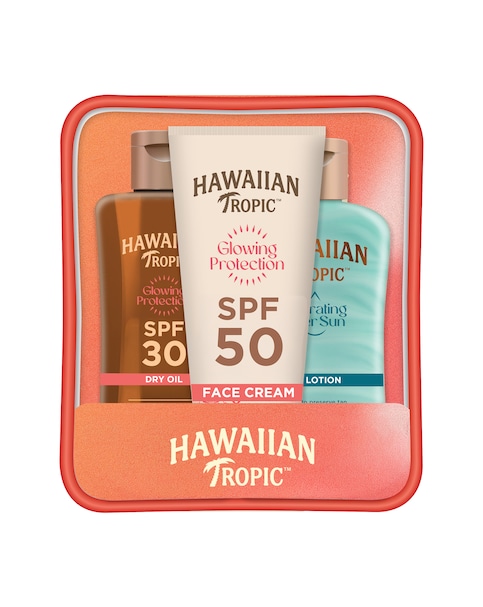
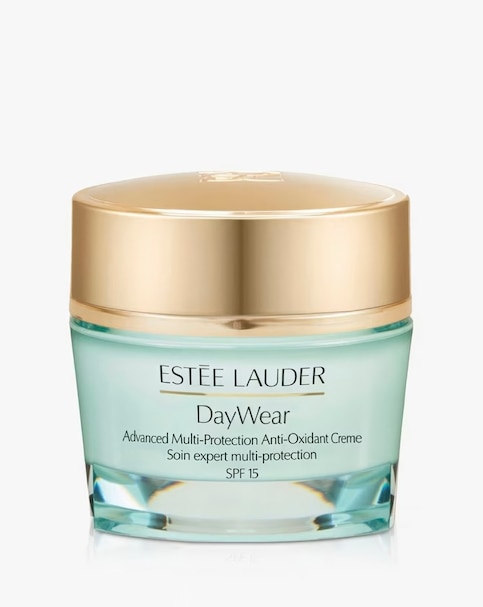
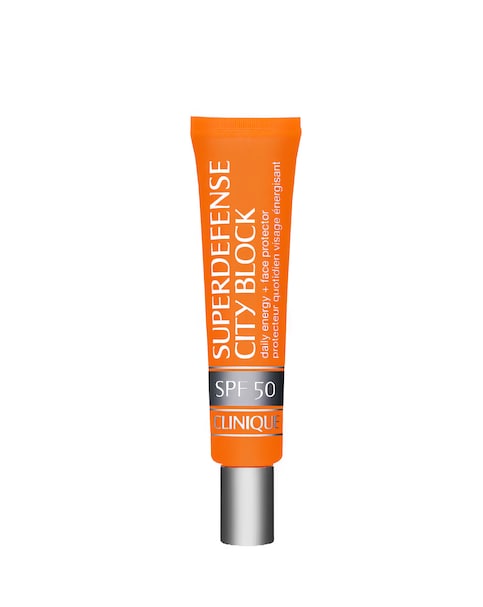
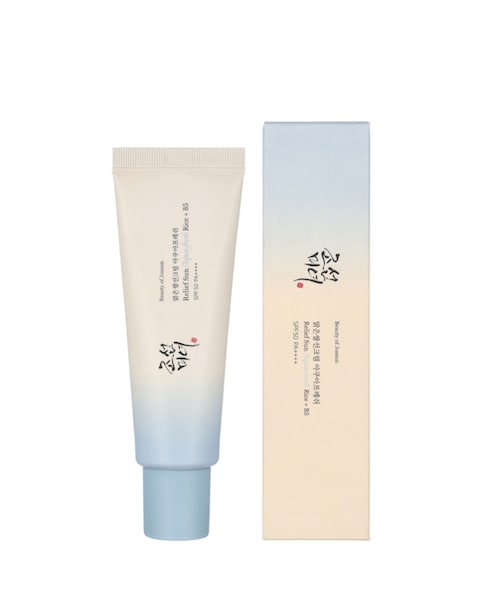
Protecting dry skin from the sun is essential, and our range of sunscreens for dry skin is designed to keep your skin hydrated while providing effective sun protection. These products often feature moisturising ingredients that help to nourish and soothe dry skin, making them perfect for daily use. With options that offer high SPF protection, you can enjoy your time outdoors without worrying about sun damage. Many of our sunscreens also come with tinted formulas that provide a subtle glow, helping to even out skin tone while keeping your skin feeling soft and comfortable. Whether you're heading to the beach or just running errands, our sunscreens are a must-have for your skincare routine.
What type of sunscreen is best for dry skin?
- Look for sunscreens that contain hydrating ingredients like glycerin or hyaluronic acid, as these help to lock in moisture and keep your skin feeling soft. Cream or lotion formulas are typically more beneficial for dry skin compared to gels, as they provide extra hydration and nourishment.
How often should I apply sunscreen on dry skin?
- It's recommended to apply sunscreen every two hours, especially if you're spending time outdoors. If you're swimming or sweating, you may need to reapply more frequently. Make sure to apply it generously to all exposed areas for the best protection.
Can tinted sunscreen be used on dry skin?
- Yes, tinted sunscreens can be great for dry skin as they often include moisturising ingredients along with sun protection. They can help even out your skin tone while providing hydration, making them a practical choice for daily wear.
Is it necessary to use a separate moisturiser with sunscreen for dry skin?
- If your sunscreen is specifically formulated for dry skin and contains moisturising ingredients, you may not need an additional moisturiser. However, if your skin feels particularly dry or tight, layering a moisturiser underneath can provide extra hydration and comfort.
What SPF level should I choose for dry skin?
- For everyday use, an SPF of at least 30 is generally recommended to protect against harmful UV rays. If you plan to be outdoors for extended periods, consider using a higher SPF, such as 50, to ensure your skin stays protected while remaining hydrated.