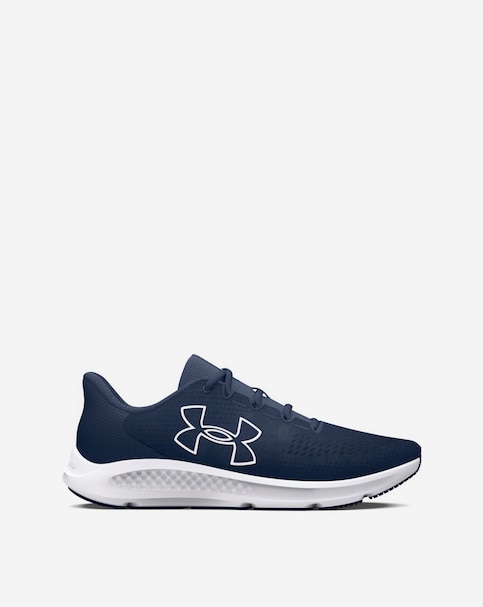
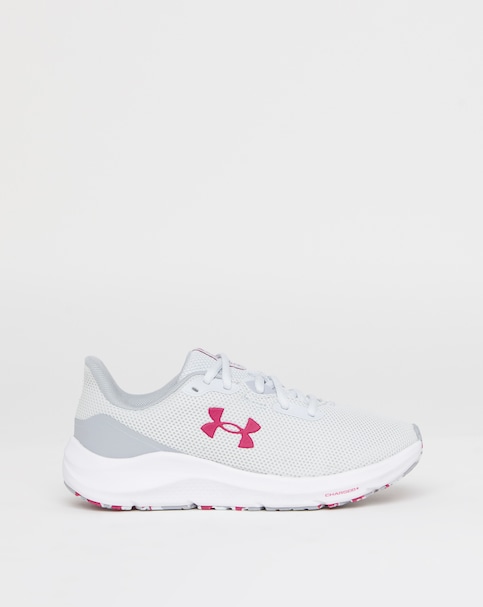
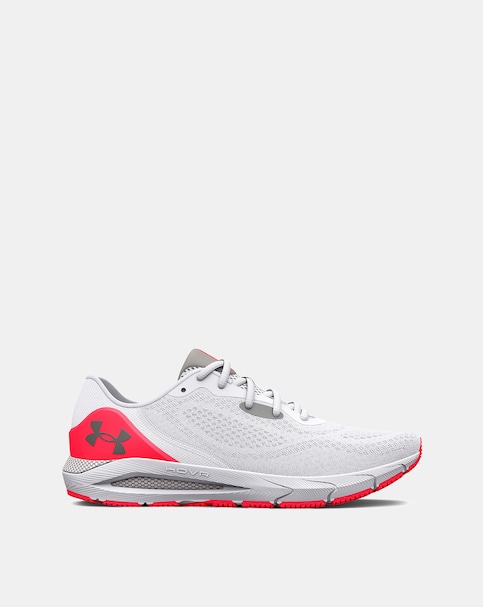
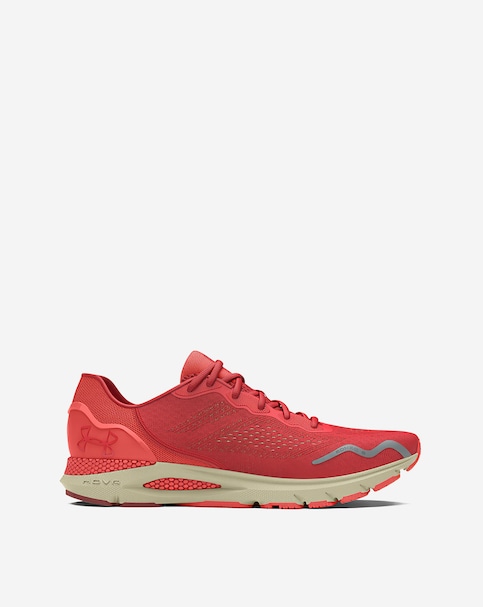
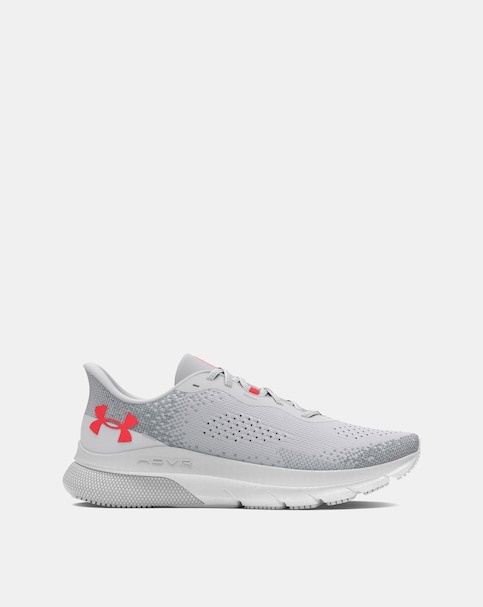
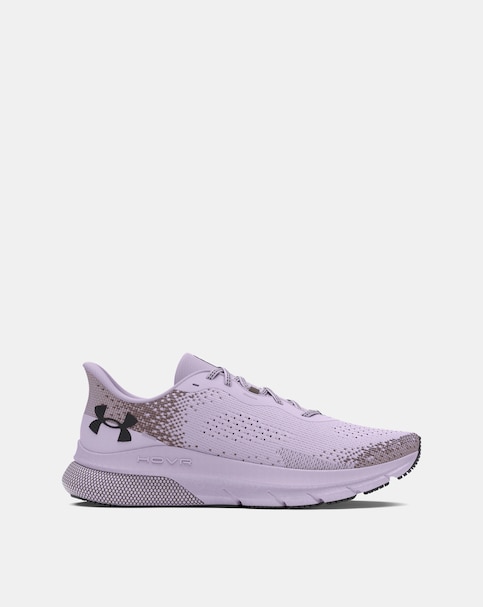
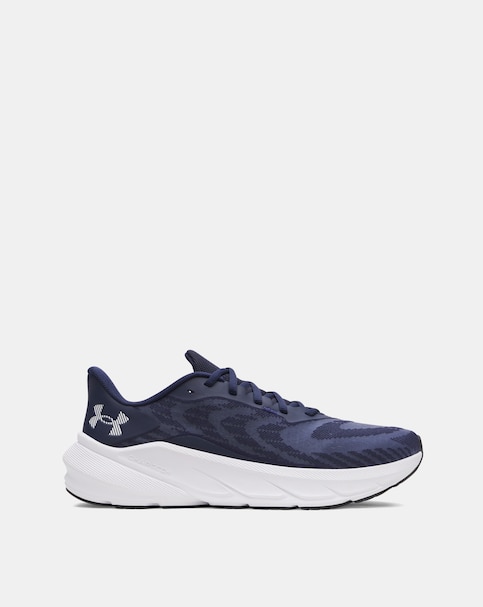
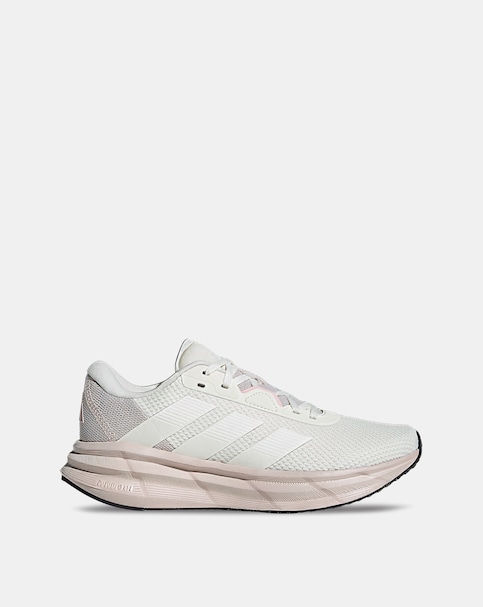
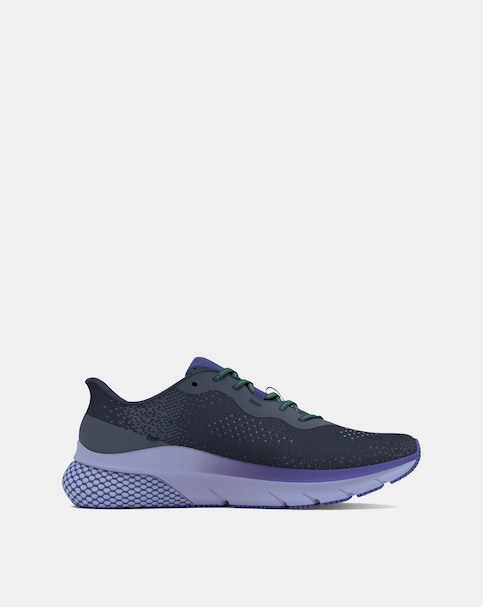
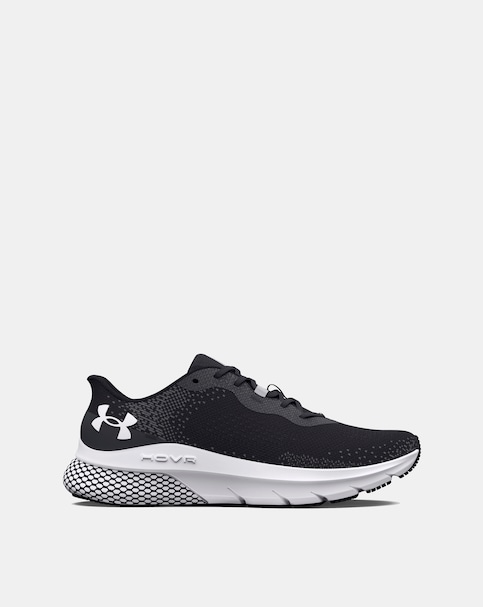
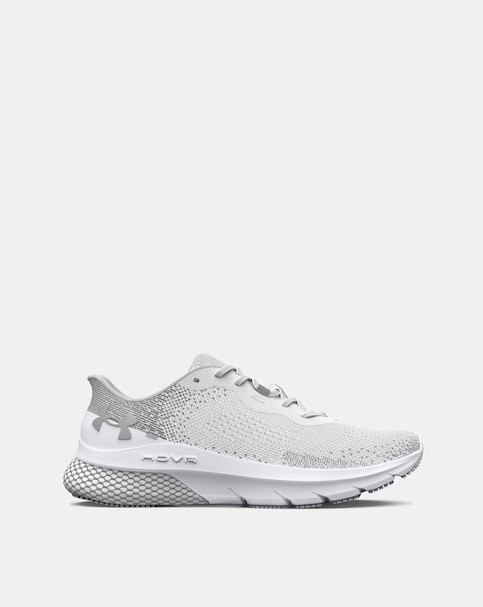
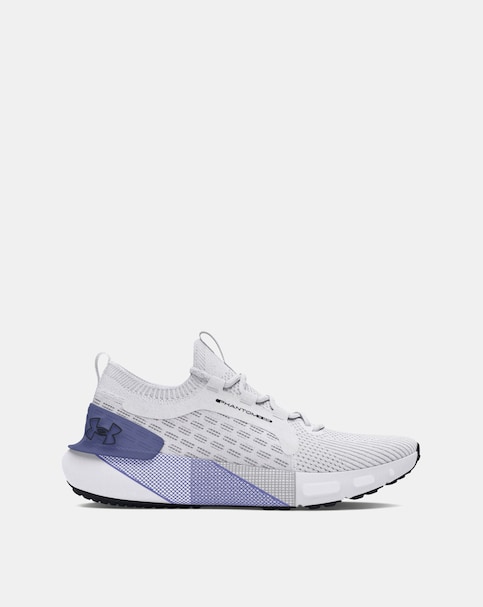
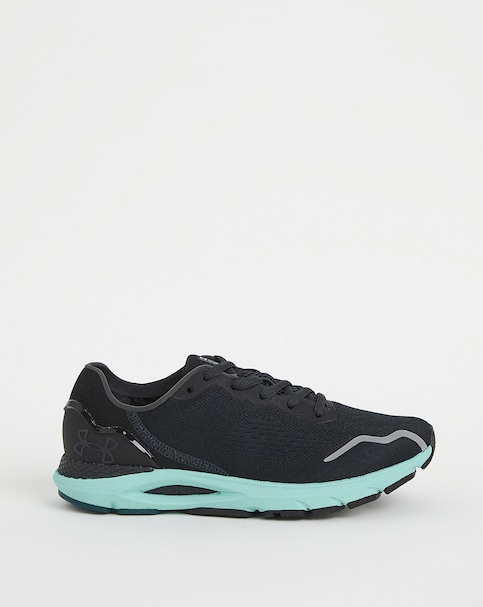
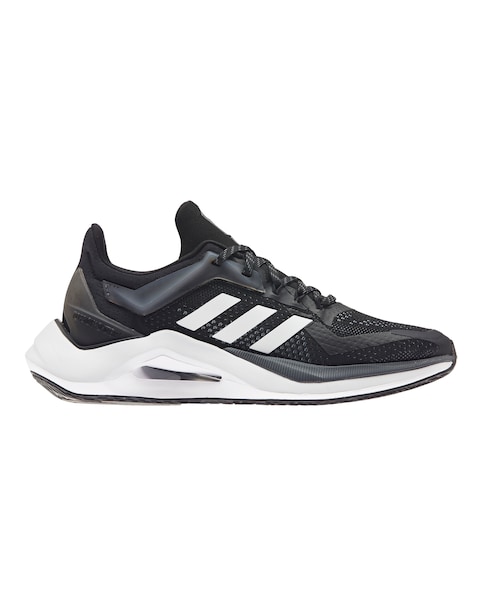
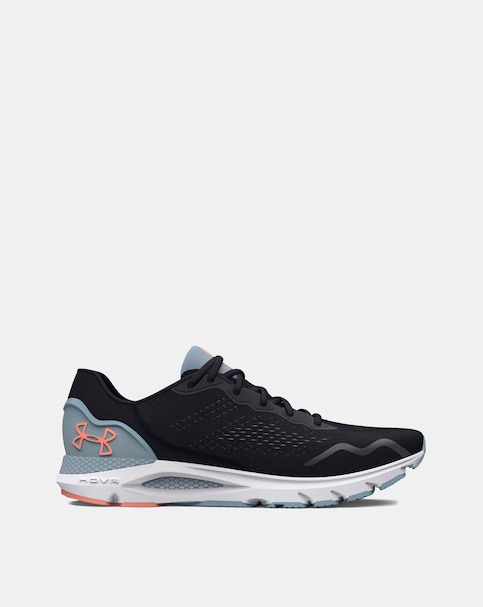
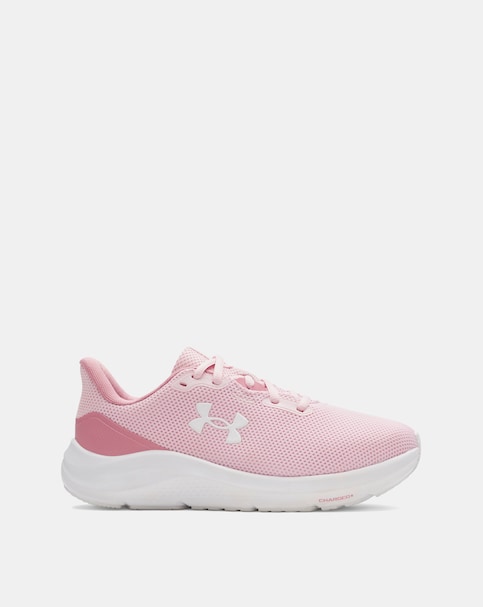
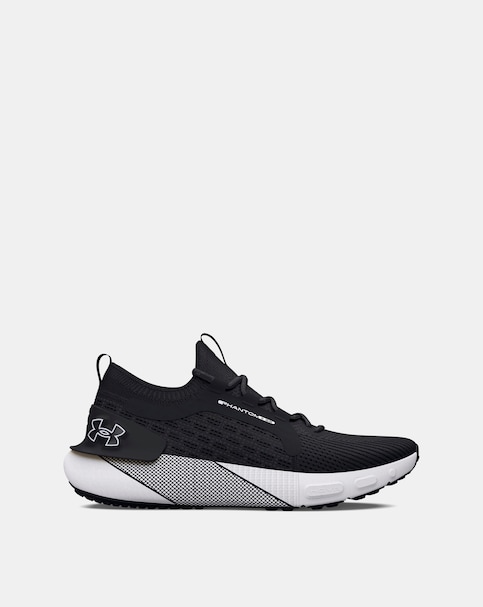
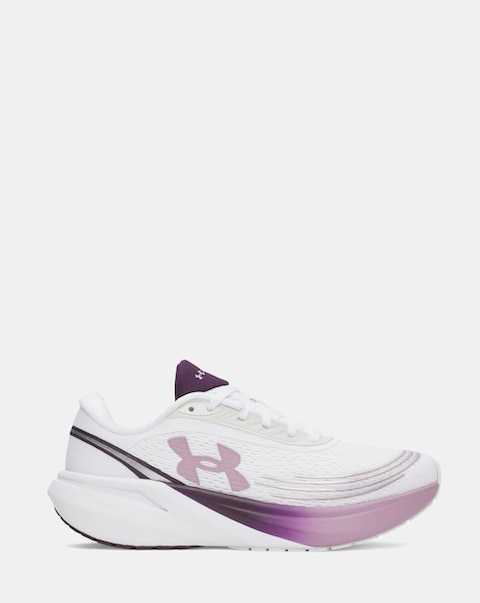
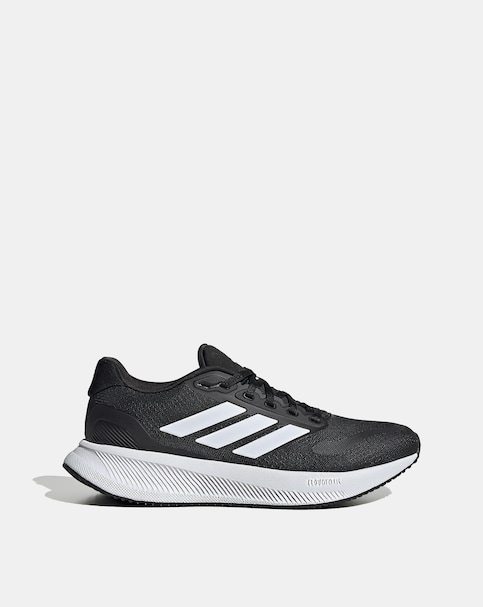
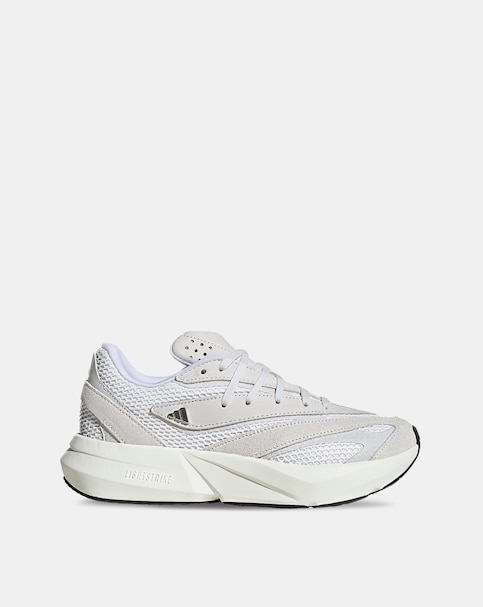
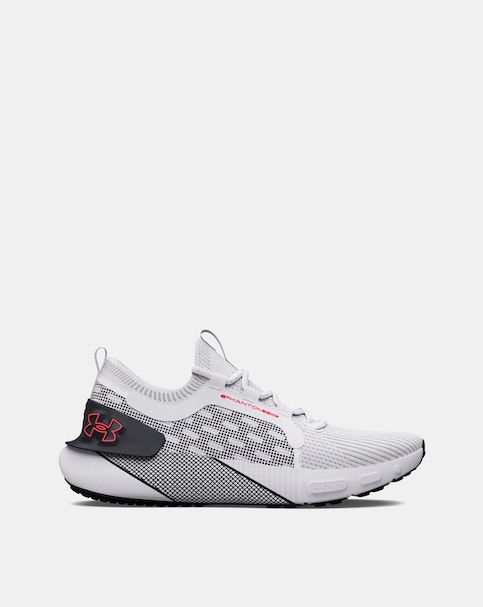
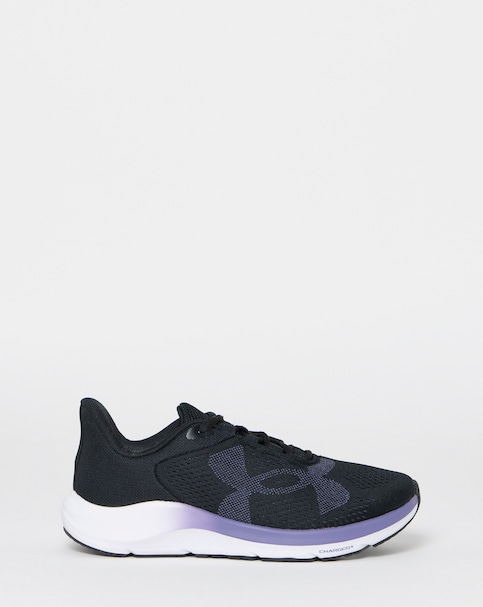
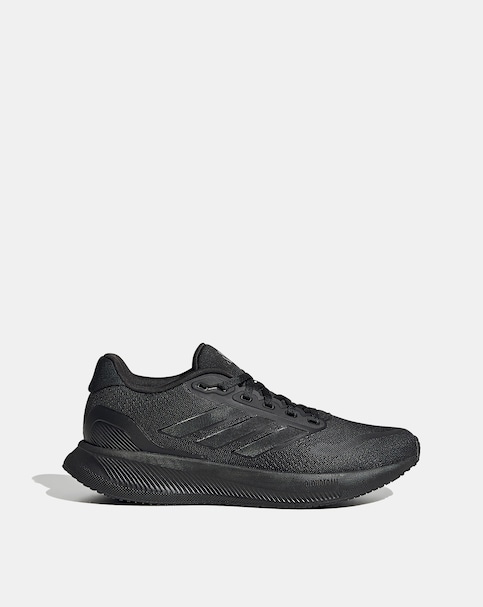
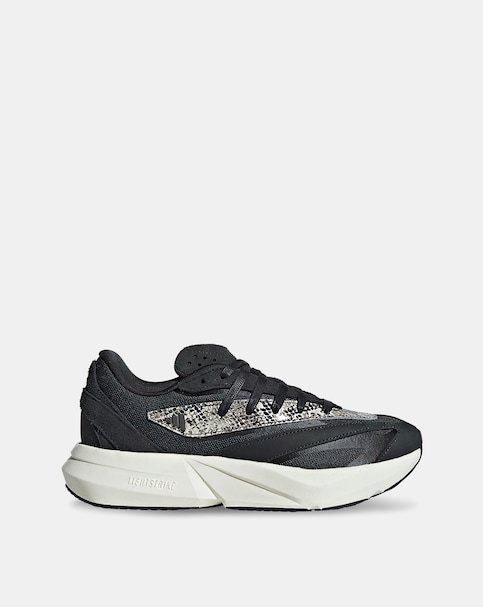
Discover the perfect blend of comfort and performance with our lightweight long-distance running shoes, designed to keep you going mile after mile. These shoes feature breathable materials that help keep your feet cool, while cushioned soles provide the support you need for those longer runs. With a focus on flexibility and responsiveness, they adapt to your stride, making your running experience smoother and more enjoyable. Whether you're training for a marathon or just love to run, these shoes are built to enhance your performance without weighing you down. Step into your next run with confidence and comfort!
What makes lightweight running shoes ideal for long distances?
- Lightweight running shoes are designed to reduce fatigue over long distances, allowing you to run longer without feeling weighed down. They often feature breathable materials that help keep your feet cool and comfortable, which is essential for longer runs. The cushioning in these shoes also provides the support needed to absorb impact, making each step feel easier.
How do I choose the right size for running shoes?
- When selecting running shoes, it's important to ensure there is enough room in the toe box to prevent discomfort during long runs. A good rule of thumb is to have about a thumb's width of space between your longest toe and the end of the shoe. Trying on shoes at the end of the day when your feet are slightly swollen can also help you find the best fit.
Are lightweight running shoes suitable for all types of runners?
- Yes, lightweight running shoes can be suitable for various types of runners, including those who run on roads, trails, or tracks. However, it's important to consider your running style and foot type when choosing a shoe. If you have specific needs, such as extra support or stability, you may want to look for features that cater to those requirements.
Can I use lightweight running shoes for other activities?
- While lightweight running shoes are primarily designed for running, they can also be great for other activities like walking, gym workouts, or casual outings. Their comfort and support make them versatile enough for various uses, but if you plan to do a lot of cross-training, you might want to consider shoes specifically designed for those activities.
How often should I replace my running shoes?
- It's generally recommended to replace running shoes every 300 to 500 miles, depending on your running style and the surfaces you run on. Signs that it’s time for a new pair include decreased cushioning, visible wear on the soles, or discomfort during runs. Keeping track of your mileage can help you know when to invest in a new pair.