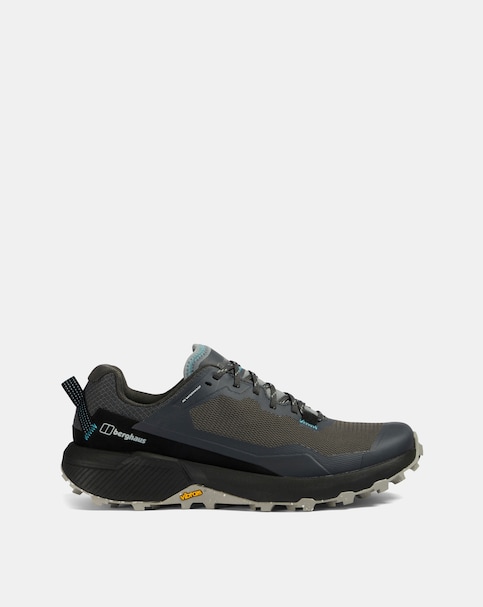
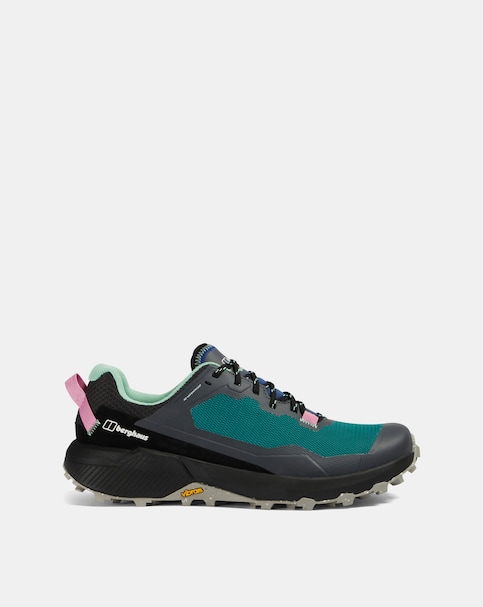
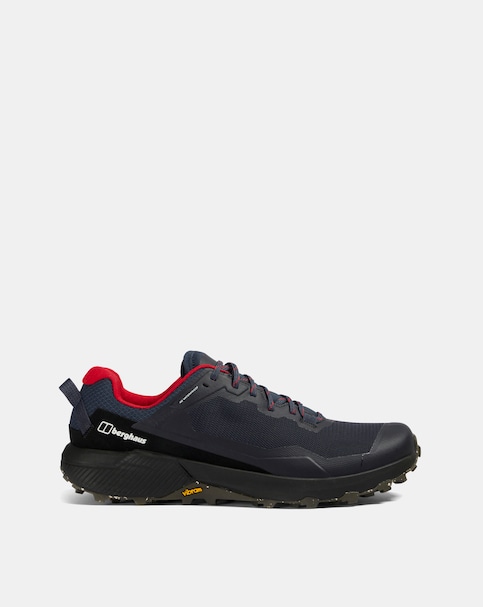
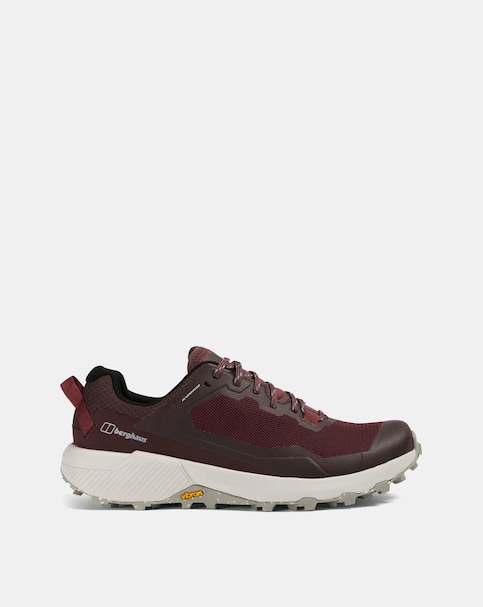
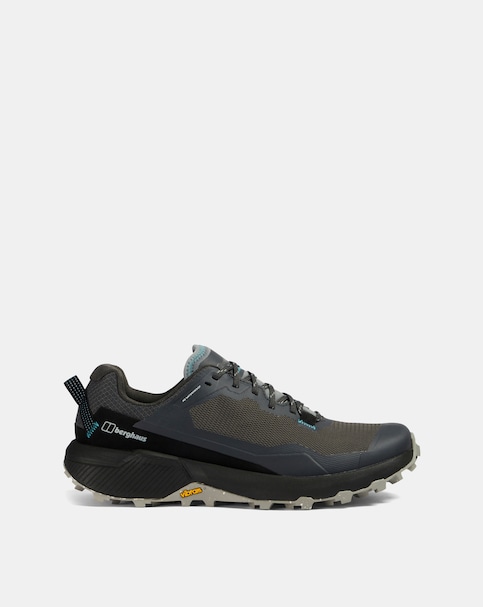
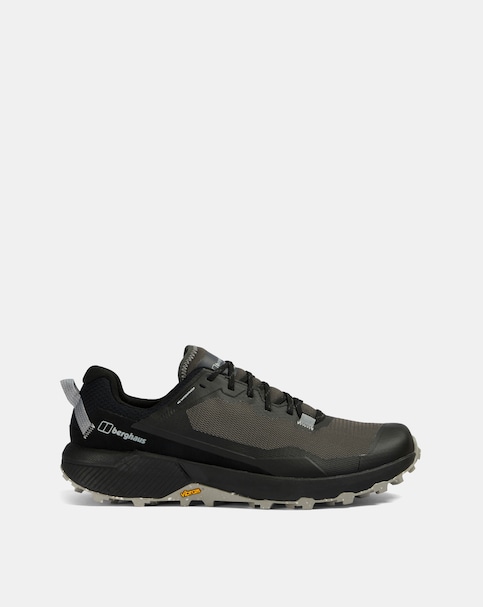
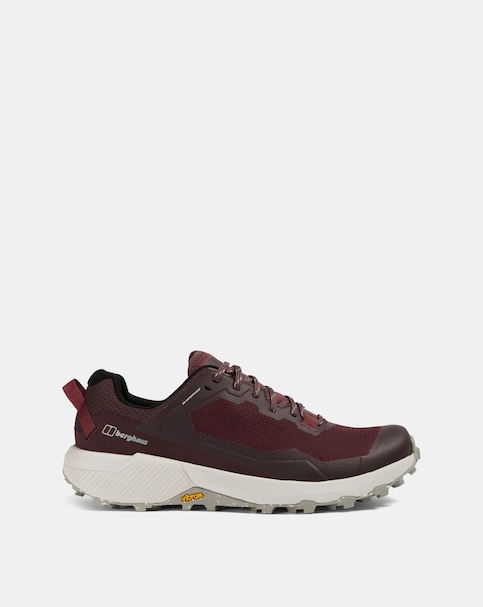
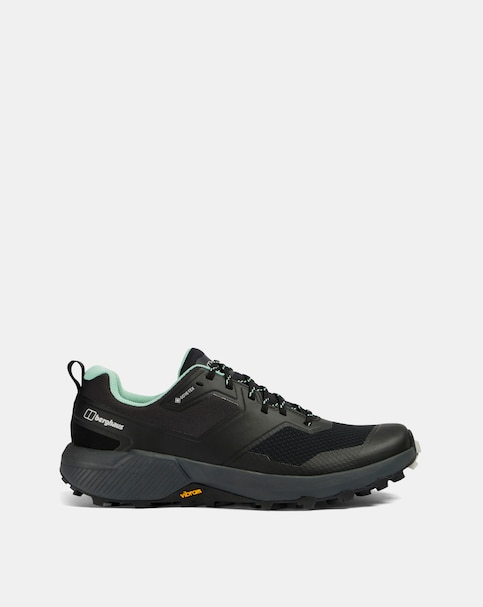
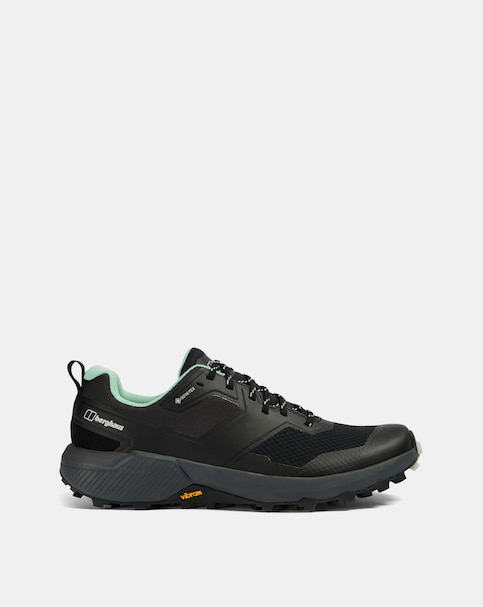
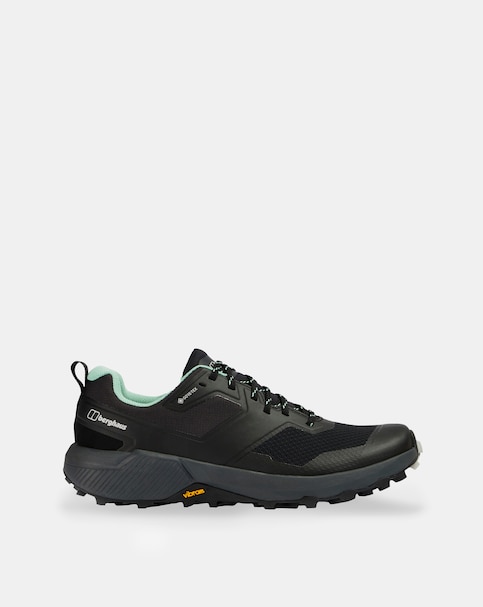
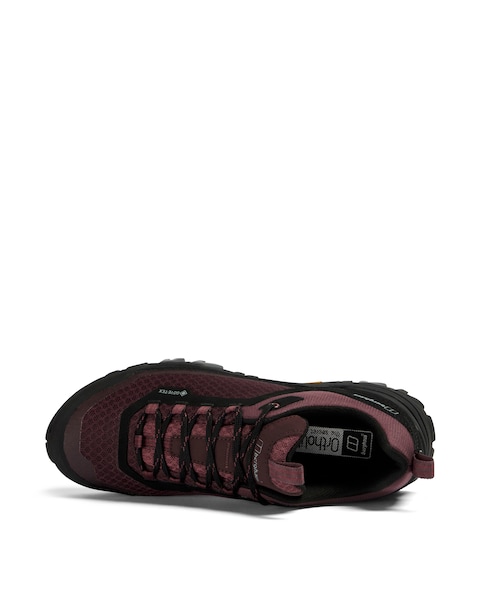
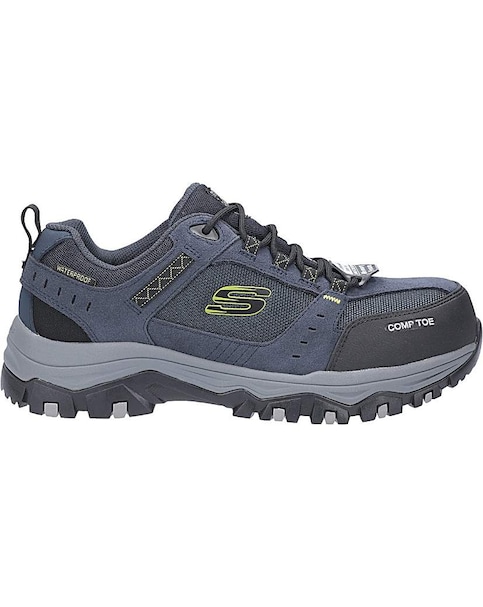
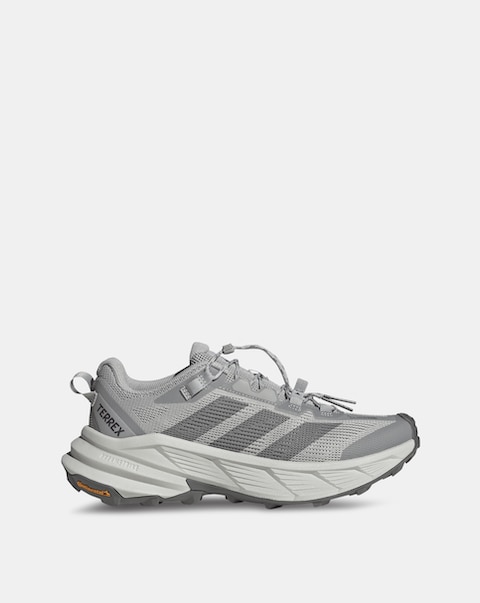
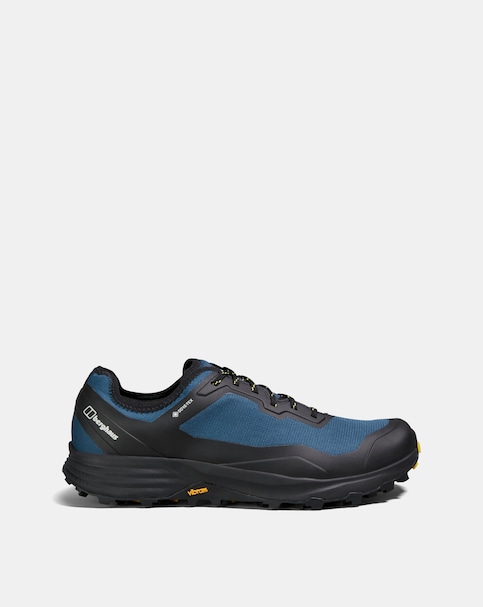
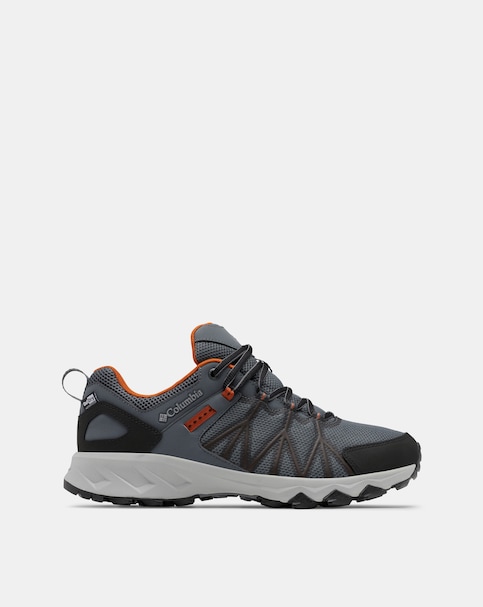
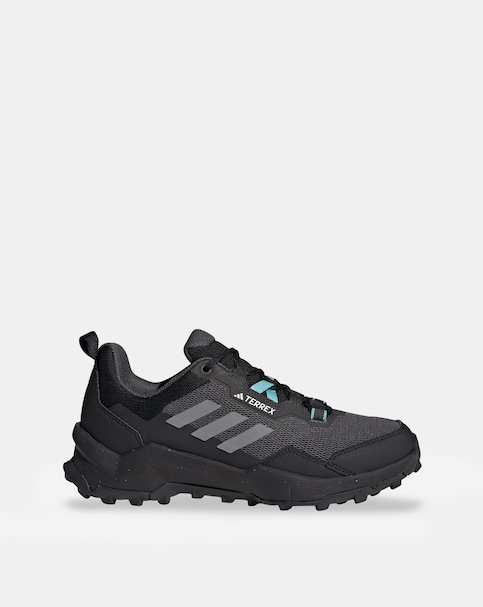
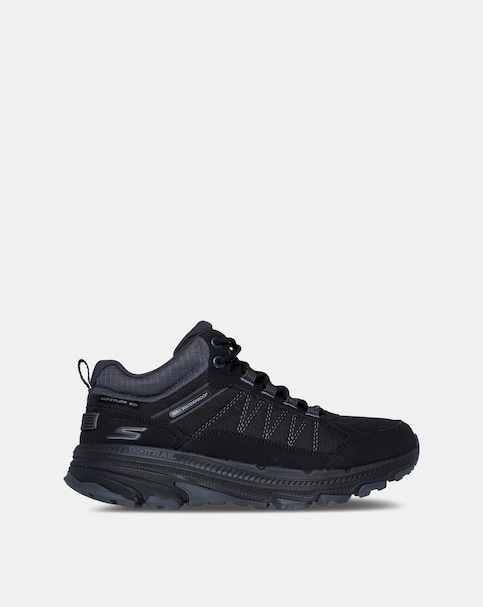
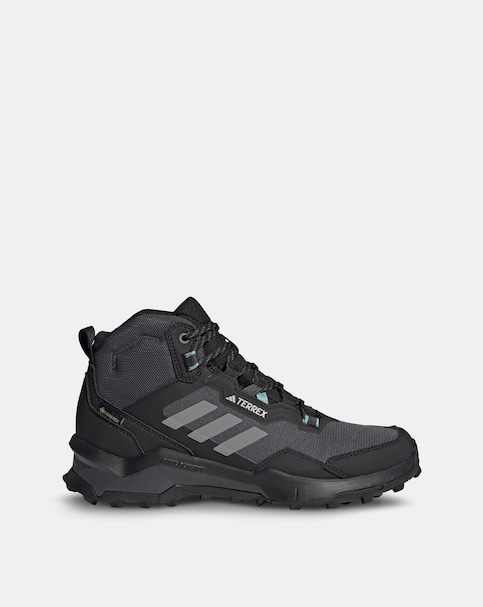
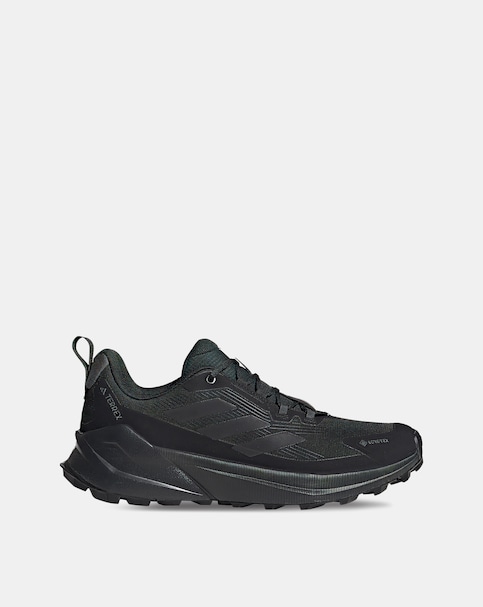
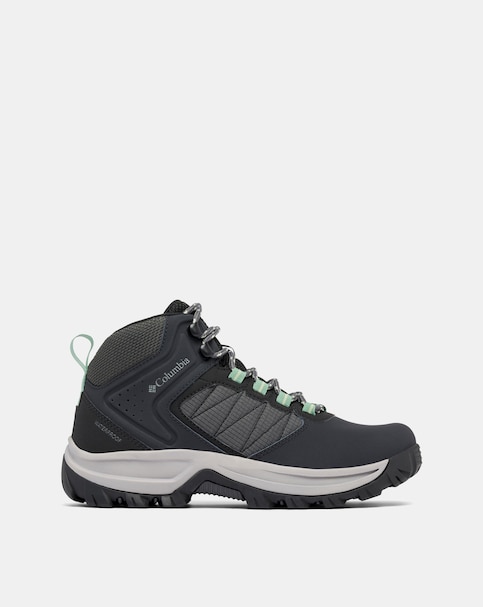
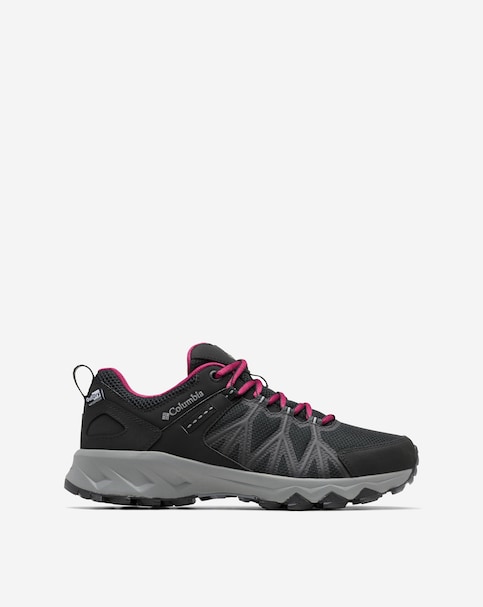
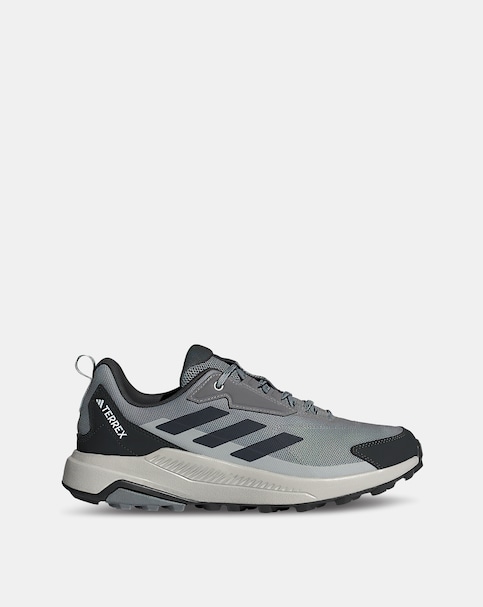
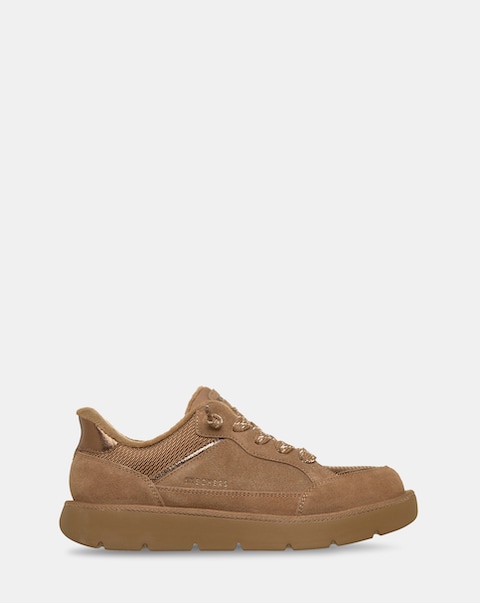
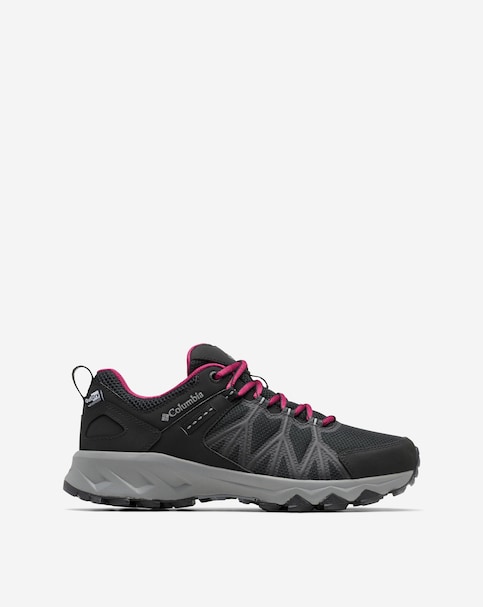
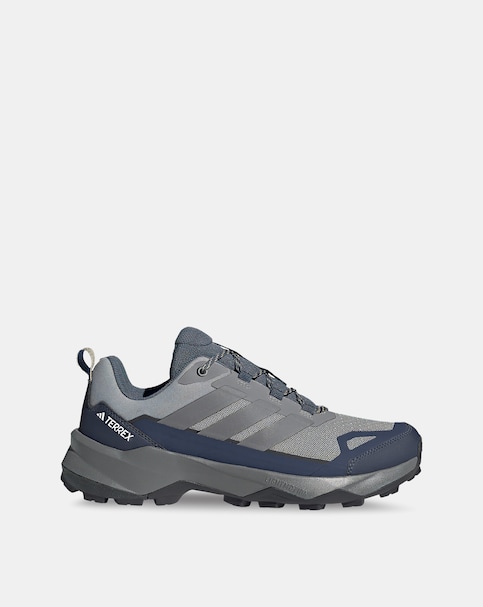
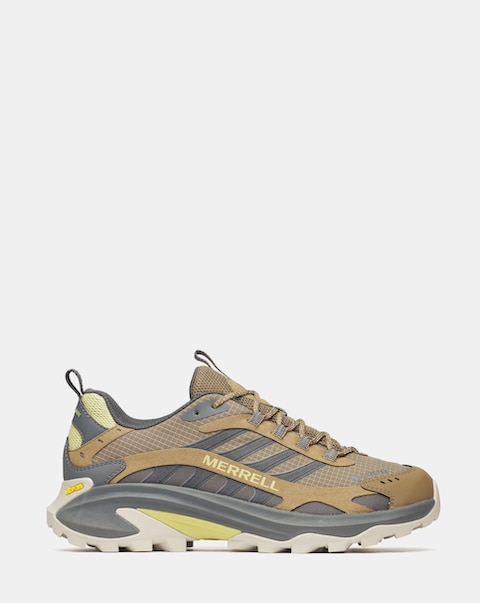
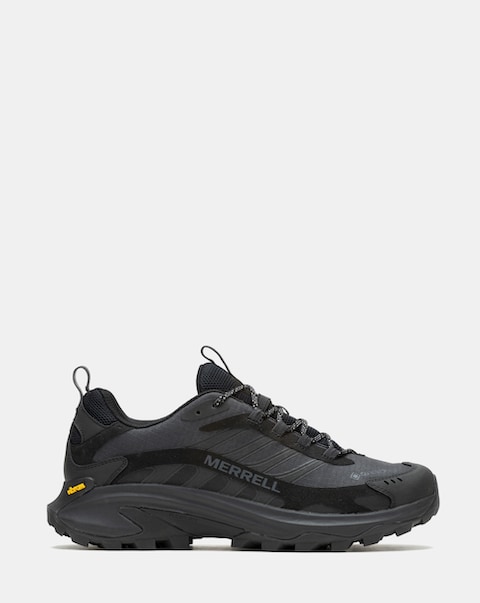
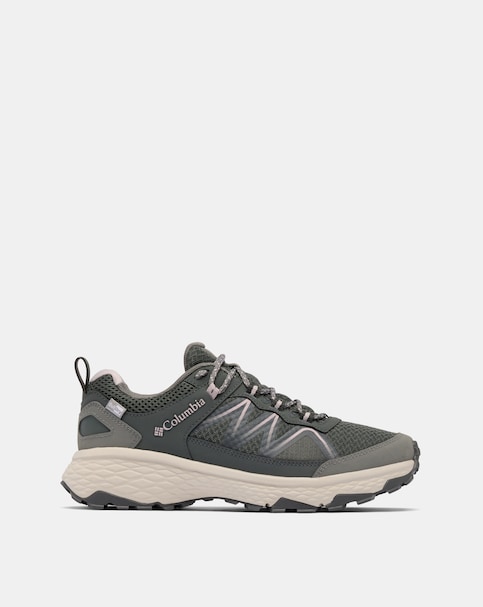
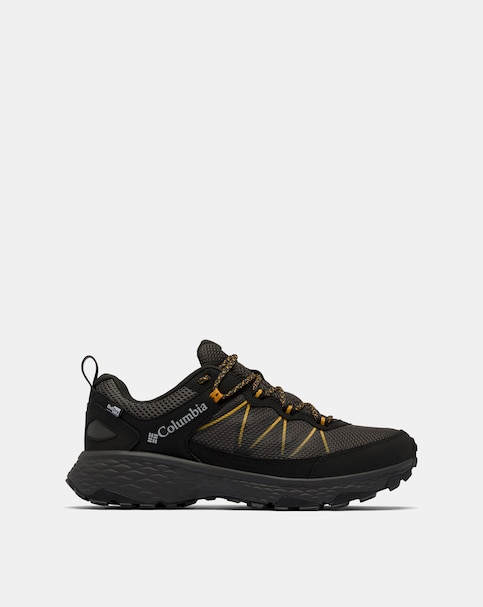
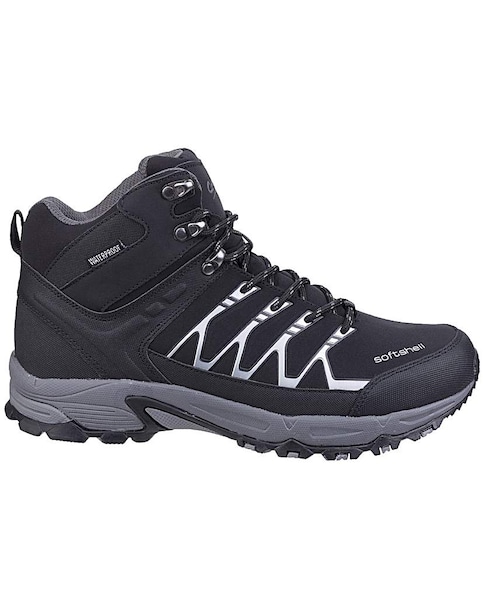
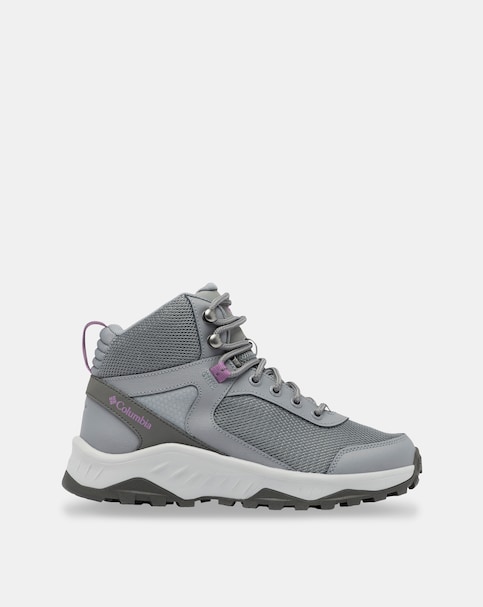
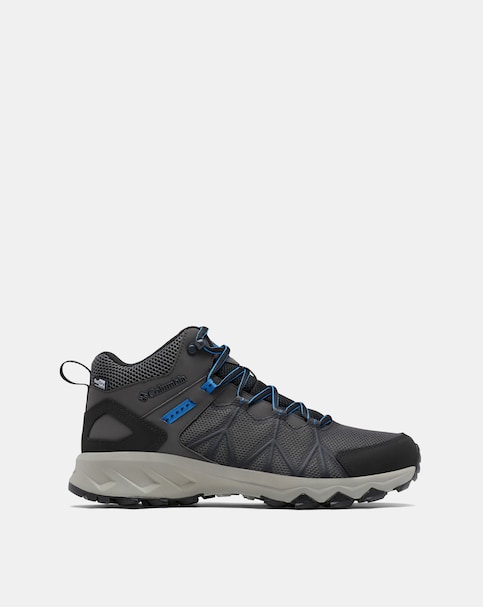
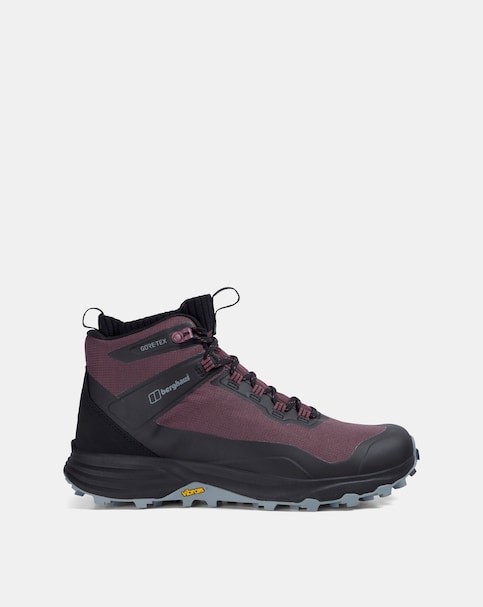
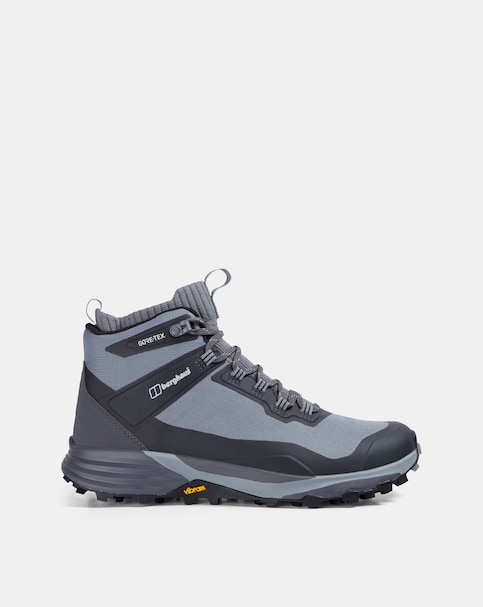
When it comes to hitting the trails, having the right pair of hiking shoes with grip is essential for a safe and enjoyable experience. Our selection features shoes designed with durable outsoles that provide excellent traction on various terrains, ensuring you stay steady on your feet whether you're navigating rocky paths or muddy trails. Comfort is key, so you'll find options with cushioned insoles and breathable materials that keep your feet feeling fresh during long hikes. Lightweight yet sturdy, these shoes are perfect for both seasoned hikers and weekend adventurers alike. Equip yourself with the right footwear and make the most of your outdoor explorations!
What features should I look for in hiking shoes with grip?
- Look for shoes with a rugged outsole made from rubber or similar materials that provide excellent traction on different surfaces. A good grip is essential for stability, especially on slippery or uneven ground. Additionally, consider shoes with a supportive midsole for comfort during long hikes.
Are hiking shoes with grip suitable for all types of terrain?
- Yes, hiking shoes with grip are designed to handle a variety of terrains, including rocky paths, muddy trails, and even wet surfaces. The tread pattern on the outsole helps to provide traction and stability, making them versatile for different hiking conditions. However, it's always best to choose a shoe that matches the specific environment you'll be hiking in.
How important is breathability in hiking shoes?
- Breathability is very important in hiking shoes, especially for longer hikes. Shoes made from breathable materials help to keep your feet cool and dry, reducing the risk of blisters and discomfort. Look for options with mesh panels or moisture-wicking linings to enhance airflow.
Can I wear hiking shoes for everyday activities?
- Absolutely! Hiking shoes with grip can be worn for everyday activities, especially if you enjoy walking or spending time outdoors. Their comfort and support make them a great choice for casual outings, gardening, or even running errands. Just ensure they match your casual style for a seamless look.
What size should I choose for hiking shoes?
- When selecting hiking shoes, it's important to choose a size that allows for a snug fit without being too tight. Make sure there’s enough room for your toes to move, especially when going downhill. It's often recommended to try shoes on with the socks you plan to wear while hiking to ensure the best fit.
How do I know if my hiking shoes fit properly?
- Your hiking shoes should feel comfortable right away, with no pinching or discomfort. You should be able to wiggle your toes and feel secure in the heel without slipping. Walk around in them for a bit to ensure they provide the support you need for your hiking adventures.