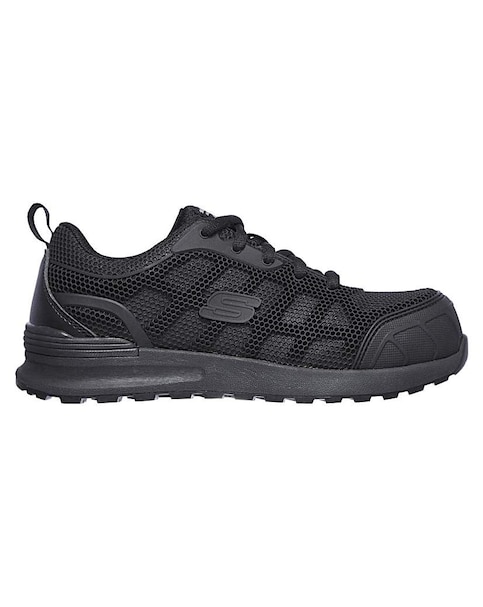
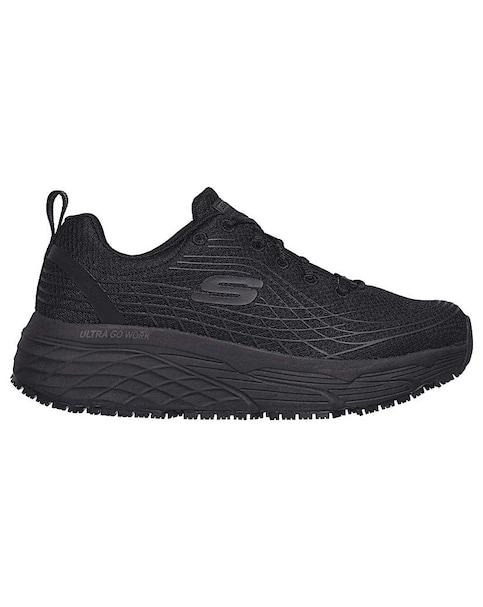
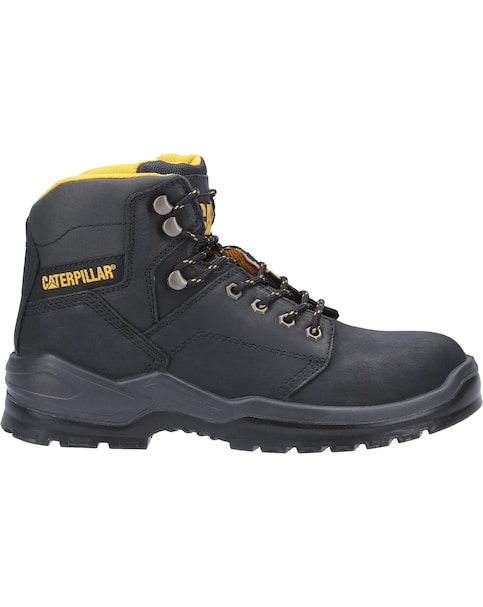
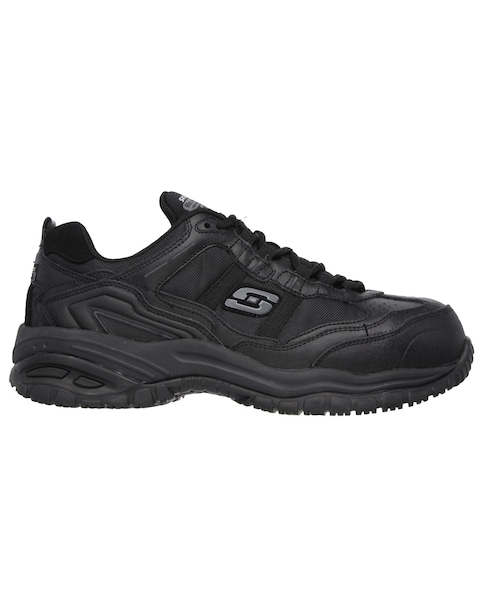
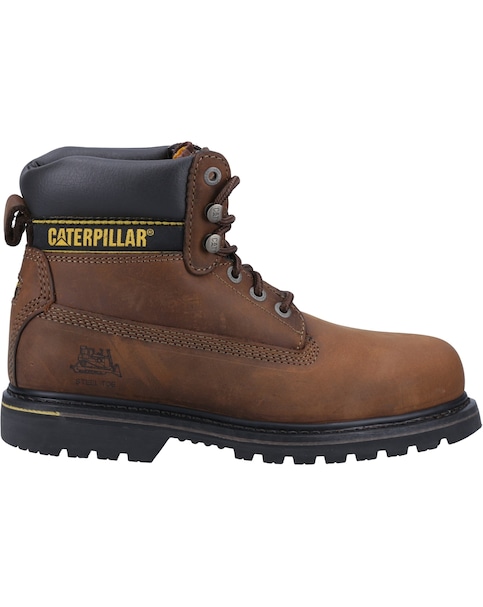
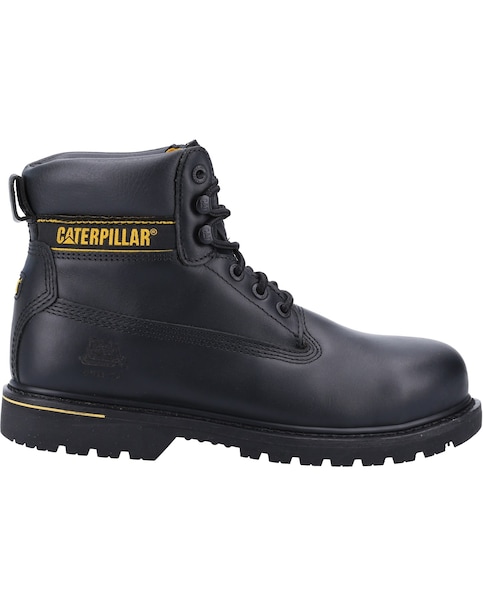
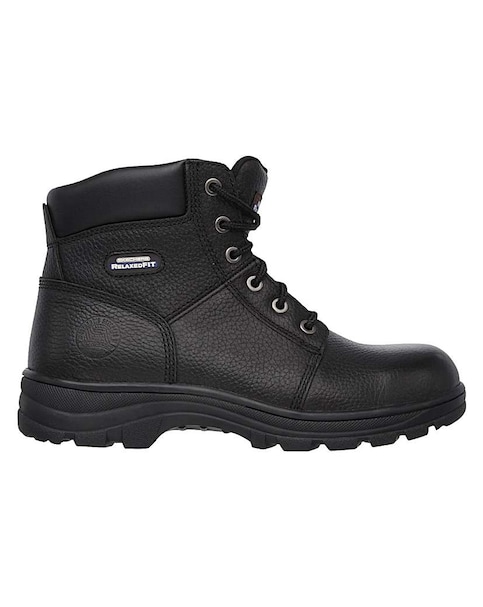
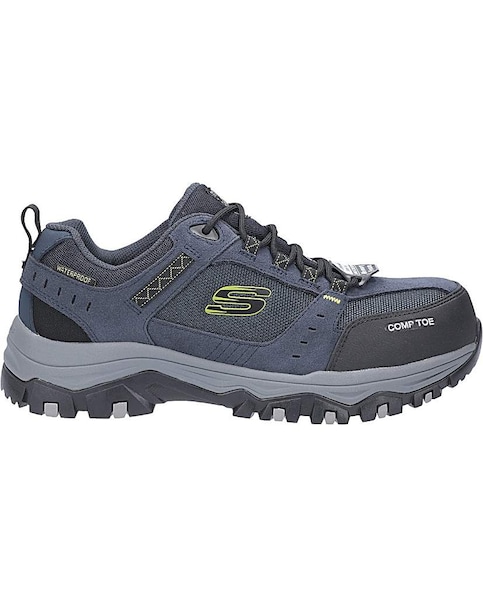
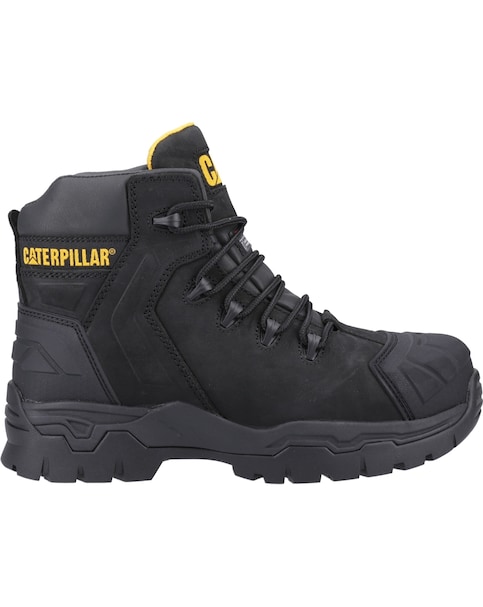
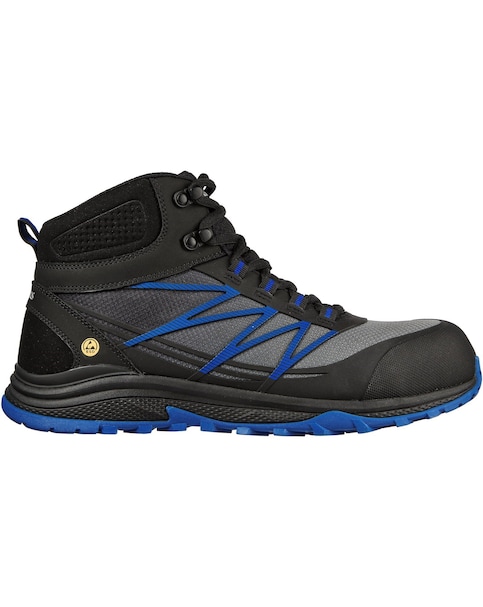
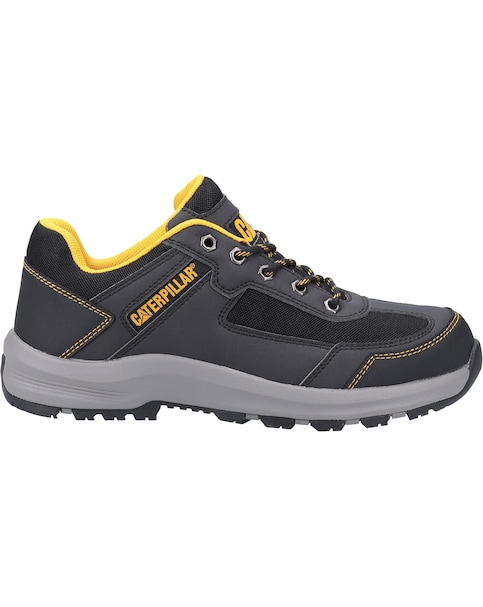
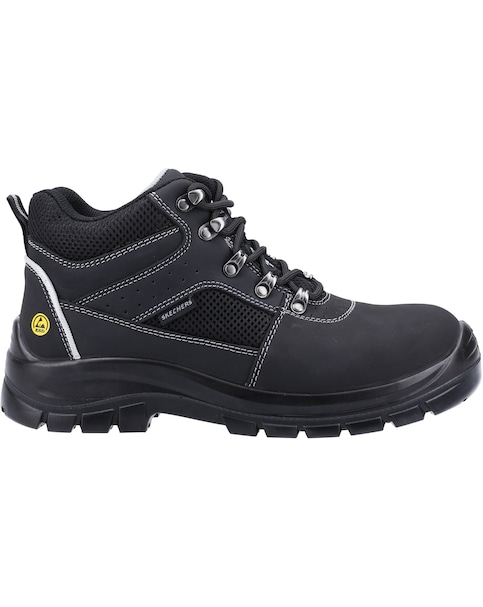
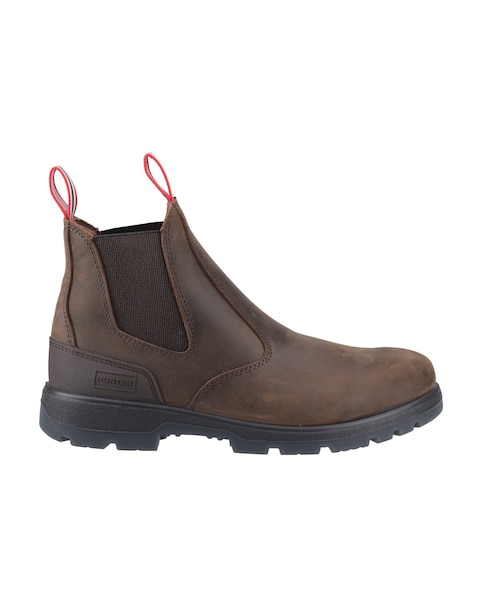
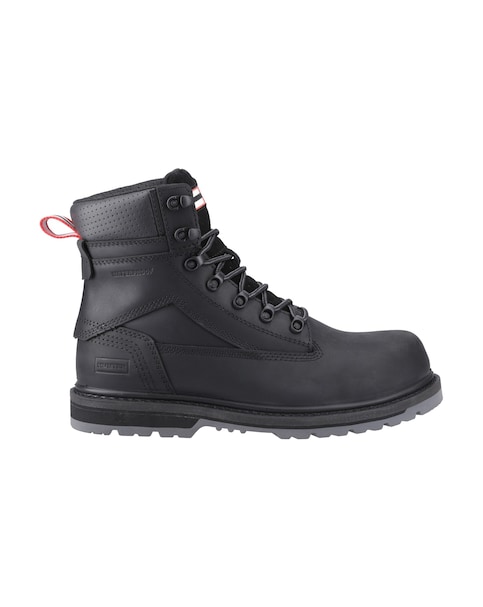
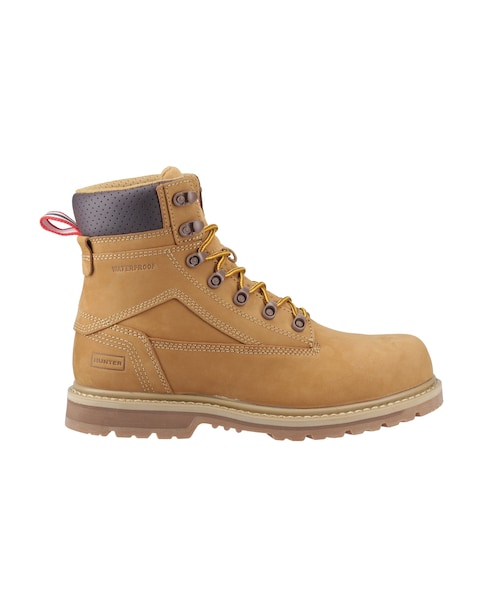
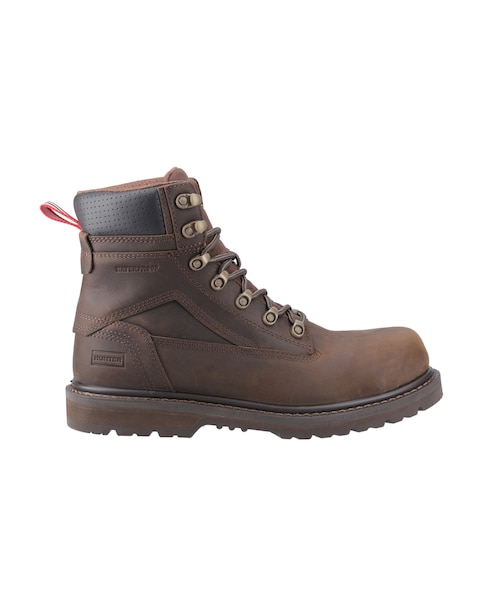
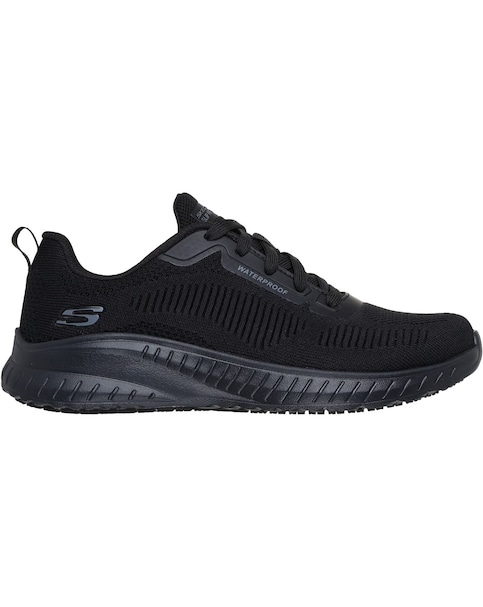
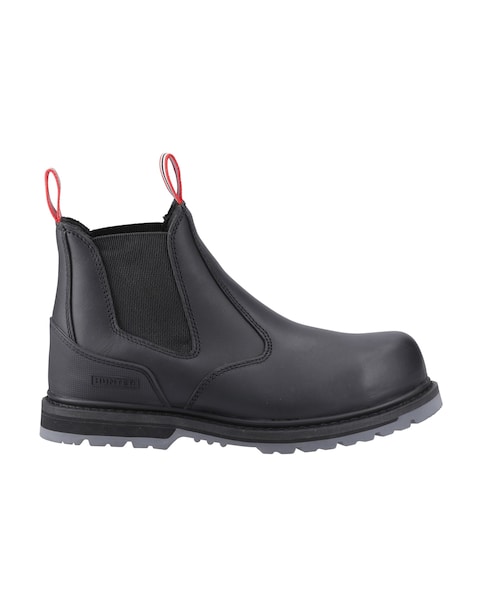
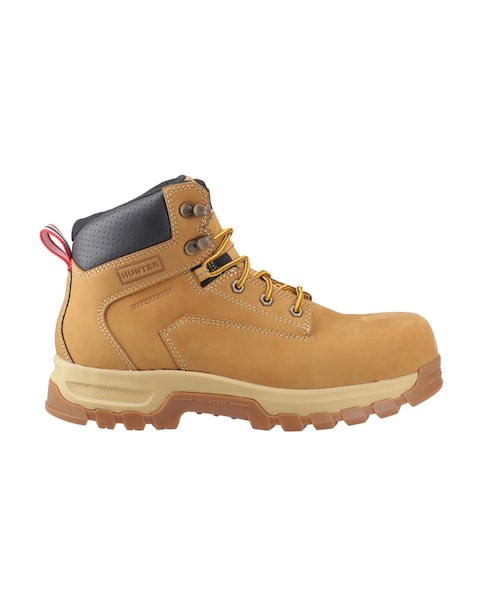
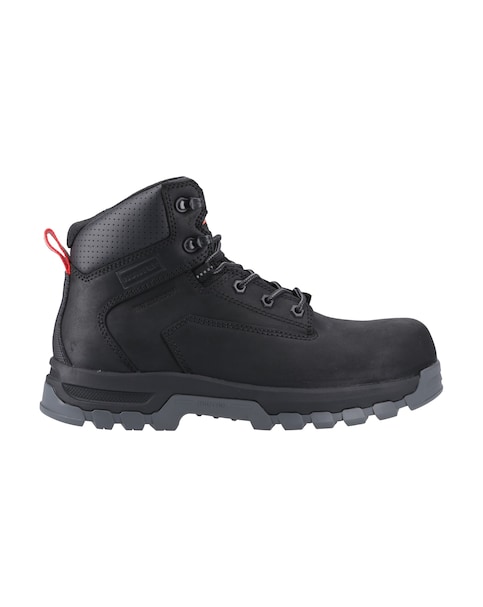
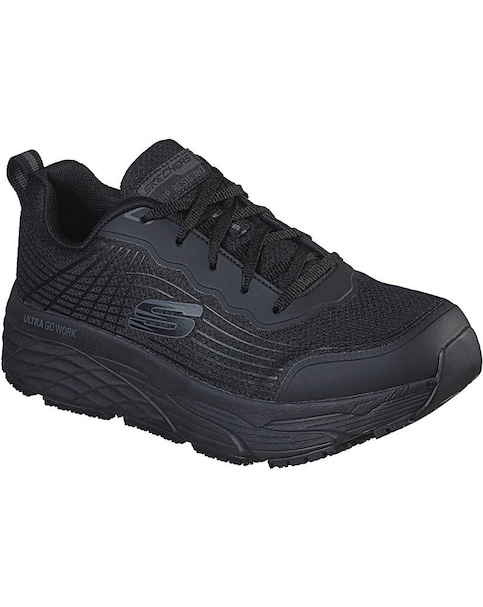
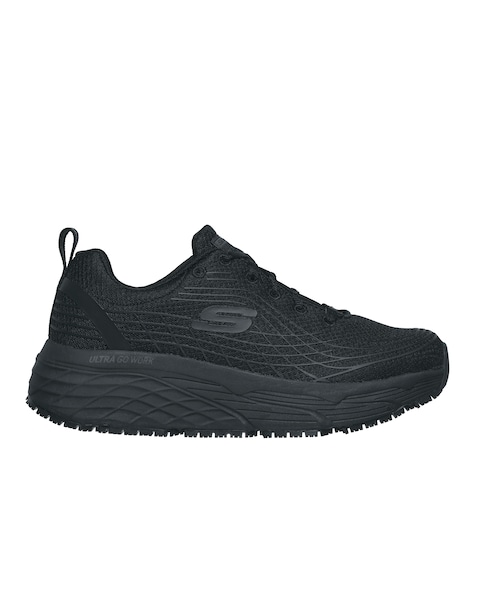
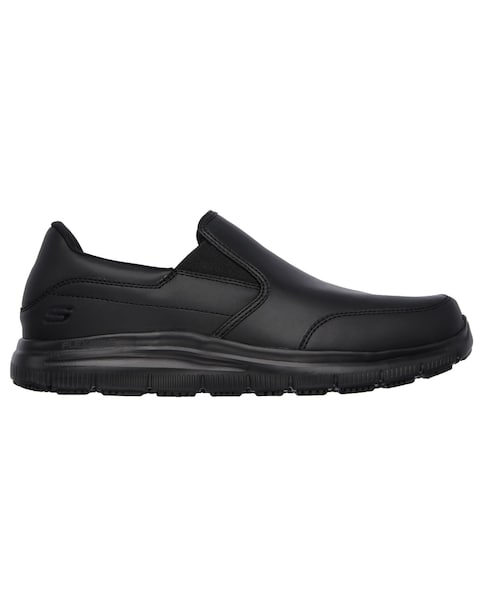
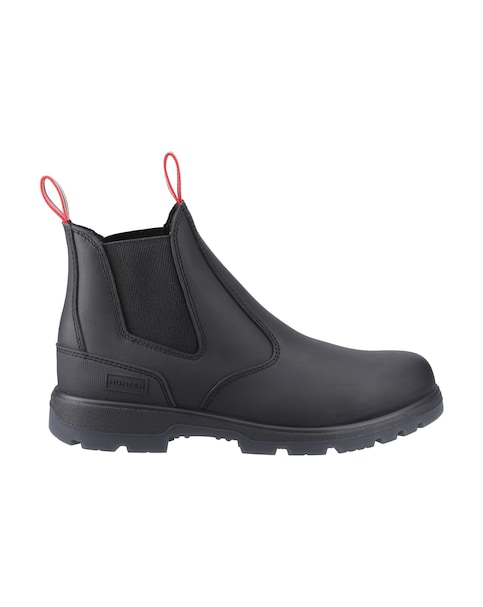
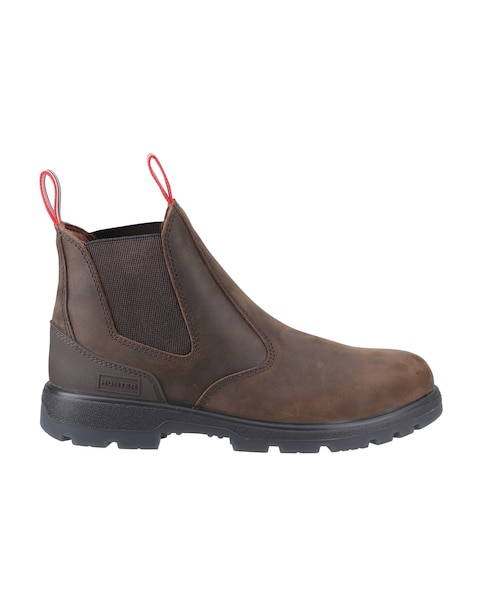
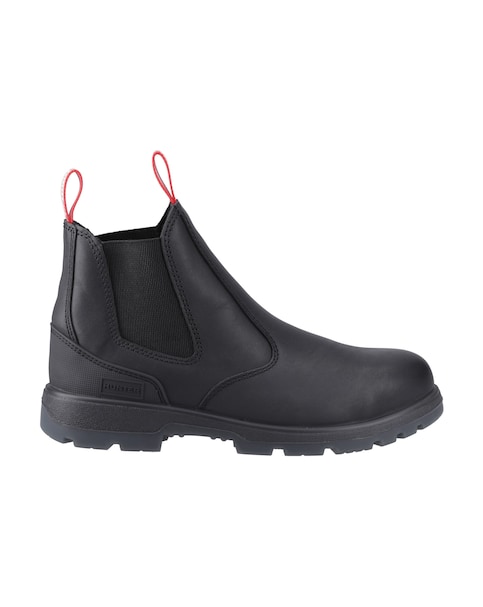
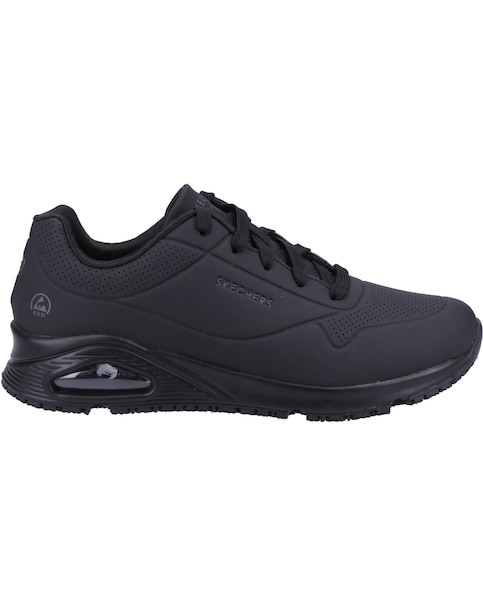
When it comes to working on construction sites, having the right safety shoes is essential for keeping your feet protected and comfortable throughout the day. Our collection of construction safety shoes features durable materials, slip-resistant soles, and reinforced toe caps to guard against hazards. Designed for long hours on your feet, these shoes offer excellent cushioning and support, ensuring you can move easily while staying safe. Whether you need boots for heavy-duty work or trainers for lighter tasks, our range has something to suit every need, helping you focus on the job at hand without worrying about your footwear.
What features should I look for in construction safety shoes?
- Look for shoes with steel or composite toe caps to protect your feet from heavy objects. Slip-resistant soles are also important to prevent slips and falls on various surfaces. Additionally, consider shoes with good cushioning and support to keep you comfortable during long hours of work.
Are safety shoes comfortable for all-day wear?
- Yes, many safety shoes are designed with comfort in mind, featuring cushioned insoles and breathable materials. This helps reduce fatigue and discomfort, allowing you to wear them for extended periods without issues. It's important to choose the right size and fit to ensure maximum comfort.
Can I wear safety shoes for activities outside of work?
- Absolutely! Many safety shoes are stylish enough to be worn casually, making them suitable for outdoor activities or weekend projects. Their durability and comfort also make them a good choice for hiking or other rugged environments.
How do I know if my safety shoes fit properly?
- Your safety shoes should fit snugly but not be too tight. There should be enough room to wiggle your toes, and your heel should not slip out when you walk. It's a good idea to try them on with the socks you plan to wear to ensure a proper fit.
What is the difference between safety boots and safety trainers?
- Safety boots typically offer more ankle support and protection, making them ideal for heavy-duty work environments. Safety trainers, on the other hand, are lighter and more flexible, providing comfort for tasks that require more movement. Both types can feature safety elements like toe protection and slip resistance.
How often should I replace my safety shoes?
- It's recommended to replace your safety shoes when you notice significant wear, such as worn-out soles or damaged toe caps. Regularly inspecting your shoes for signs of damage can help ensure your feet remain protected. If you start to feel discomfort or reduced support, it may also be time for a new pair.